5 Warning Signs Your Sawmill Blade Is Getting Dull
Catch the signs early to get better cuts, less wear on your mill, and a longer life from your blade.
A sharp sawmill blade makes a big difference in the quality of your lumber, how smoothly your mill runs, and how long your blade lasts. But how do you know when it’s time to sharpen? Here are five common signs your sawmill blade is getting dull and what to look for.

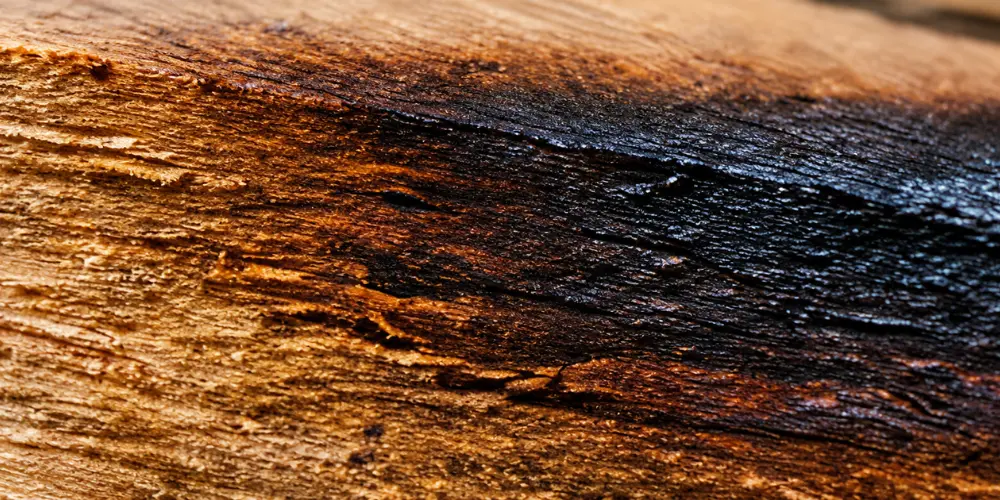
Burn Marks or Extra Heat
A dull blade creates more friction, which generates heat. If you see burn marks on your lumber, notice smoke or a burning smell, or the blade feels unusually hot, it’s a good sign the teeth aren’t cutting cleanly anymore.

PRO TIP:
Burn marks often show up on the outside of the board first. If you see them, it’s time to inspect your blade.

Rough or Wavy Lumber
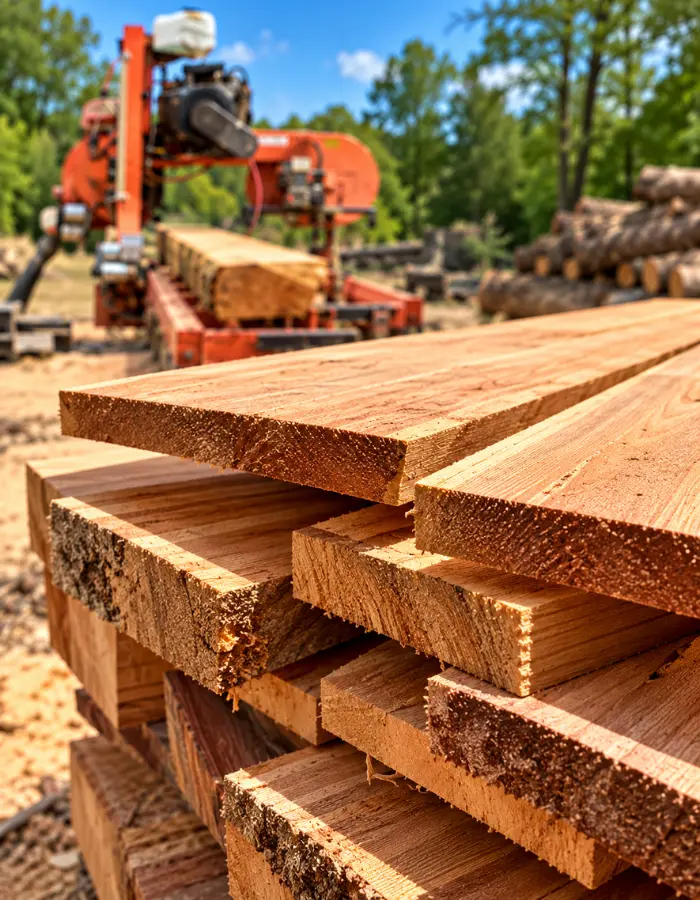
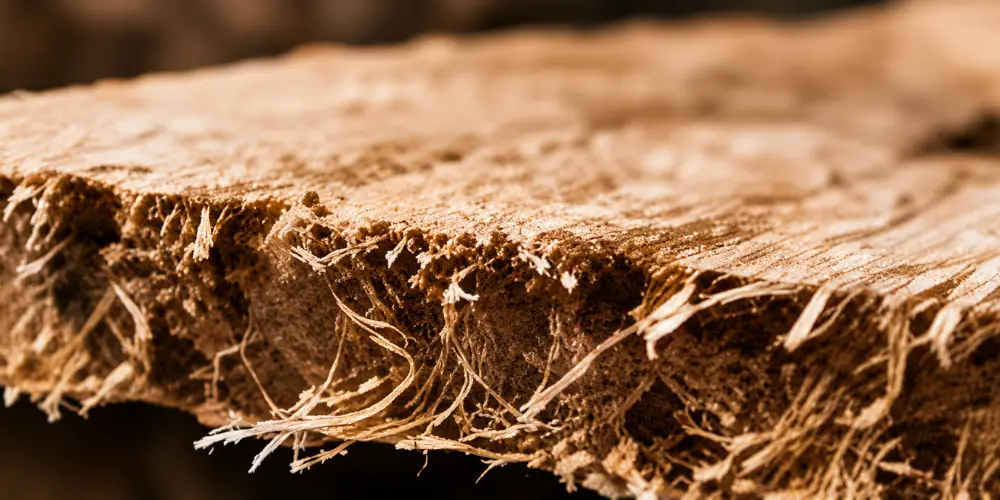
A sharp blade leaves a smooth, consistent cut. When a blade gets dull, the cut can look rough, wavy, or have a fuzzy surface. You may also notice more sawdust or larger chips coming off the mill.
PRO TIP:
If your lumber starts requiring extra sanding or has noticeable waves, your blade probably needs sharpening.

Slower Feed Rate
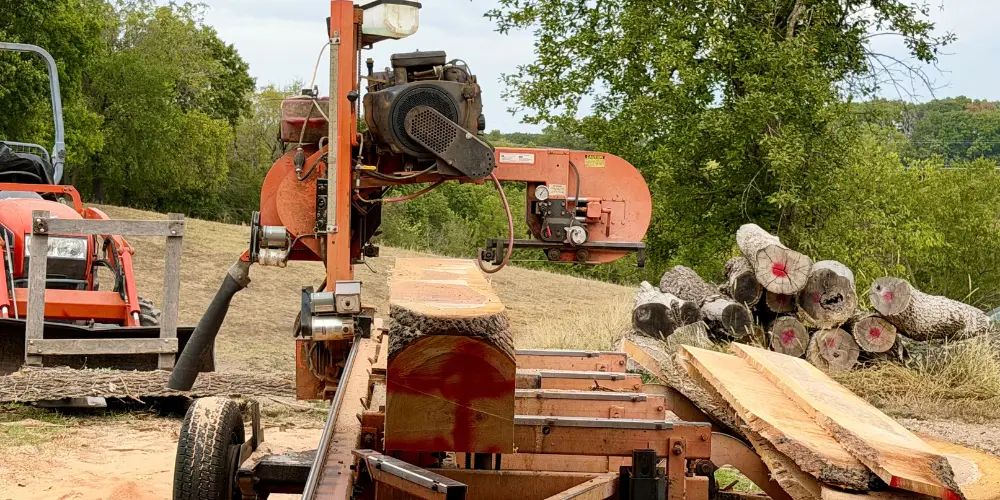
If you find yourself having to slow down to keep the cut clean, your blade may be dull. A sharp blade cuts efficiently with a steady feed rate. When the teeth are dull, the blade struggles to remove wood and you have to push slower.
PRO TIP:
A dull blade needs more pressure to cut, which can lead to uneven lumber and extra wear on your mill.

More Vibration or Blade Flutter
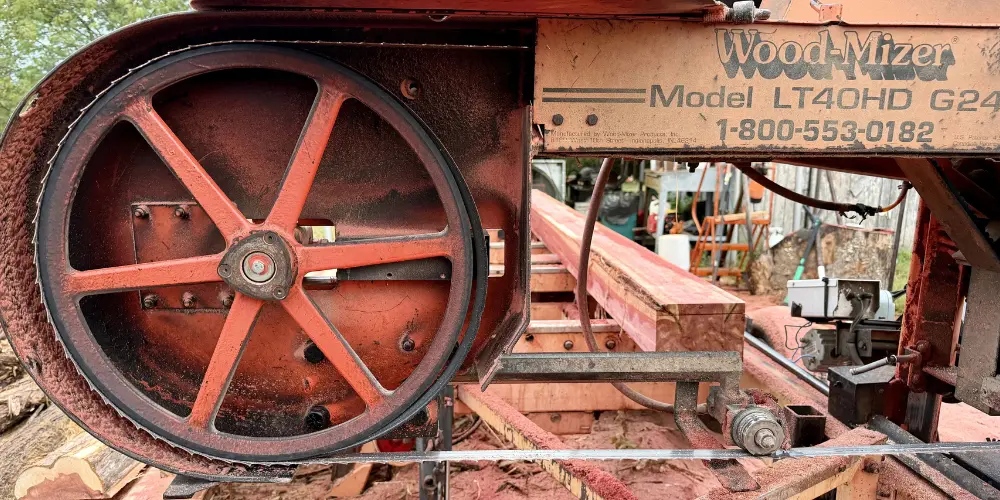
A dull blade can cause more vibration, blade flutter, or a wandering cut. You might notice the blade sounding different, feeling rougher, or leaving a cut that doesn’t track straight.
PRO TIP:
If your blade starts wandering or vibrating, check for other issues like tooth set and mill alignment, but also inspect the blade for dull teeth.

You’re Changing the Way You Saw
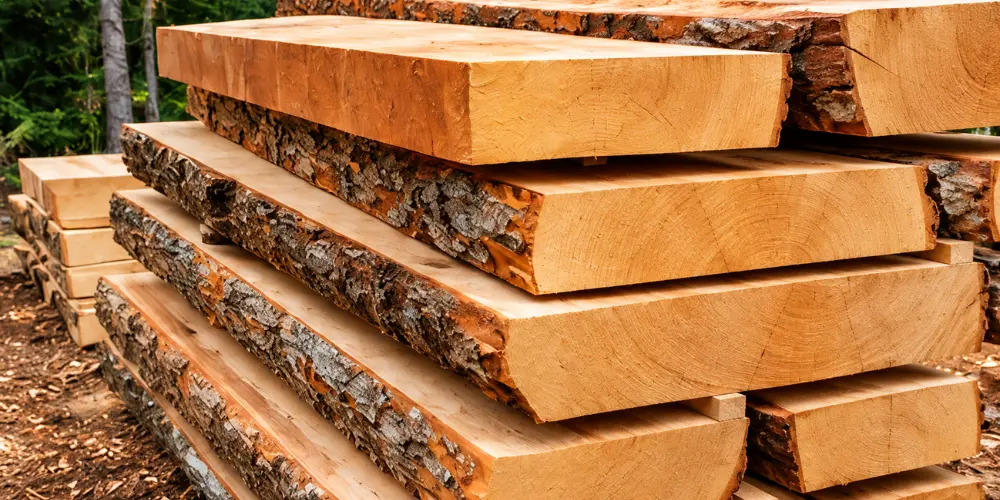
When a blade gets dull, you may start changing your technique without even realizing it. This can include taking a shallower cut, slowing the feed, using more pressure, or avoiding certain types of wood. If you have to adjust how you saw to get a decent cut, your blade likely needs sharpening.
PRO TIP:
If you find yourself making changes just to keep the cut clean, it’s usually a sign the blade isn’t cutting like it should.

Not Sure Whether Your Blade Is Actually Dull?
Read our complete guide that explains all the signs in more detail, what might be causing them, and how to tell if it’s time to sharpen.
Need Your Sawmill Blades Sharpened?
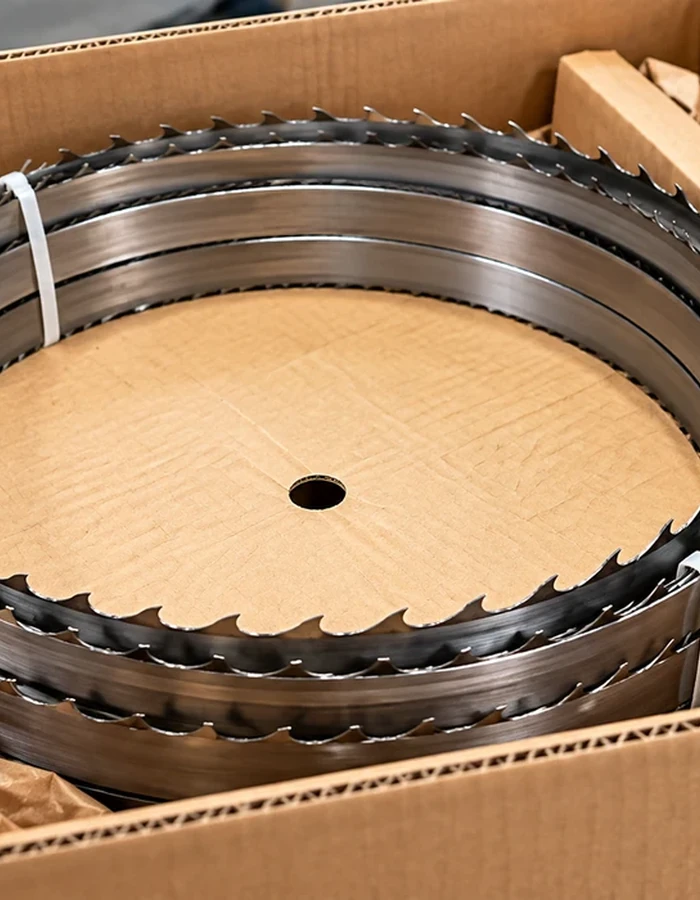
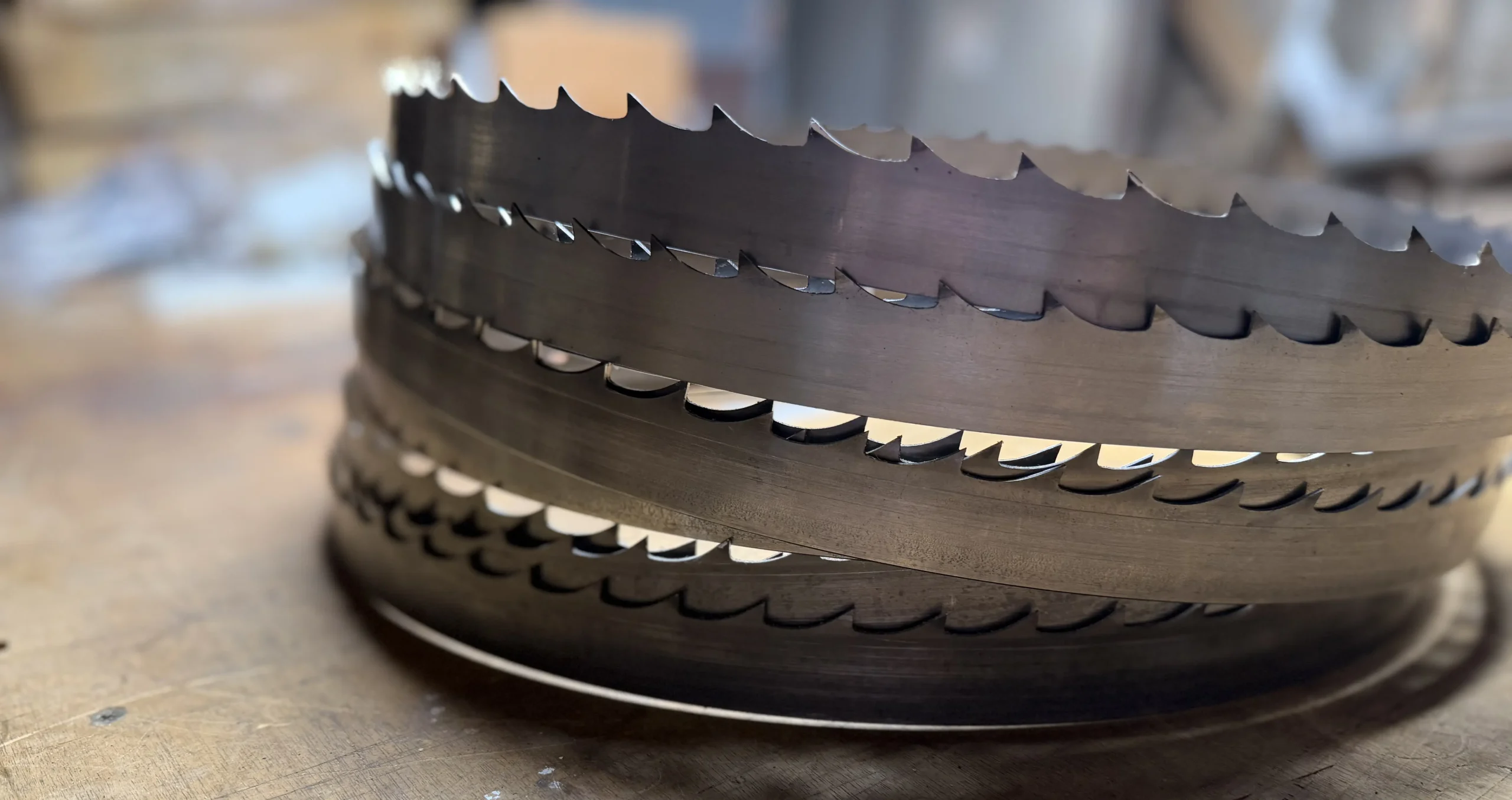
We provide professional sawmill blade sharpening and setting to help you get cleaner cuts, better performance, and more life from your blades.
Still Having Problems After Sharpening?
If your blade is sharp but you’re still getting rough cuts, vibration, or wandering, the problem could be your mill setup, tooth set, or blade tension. Visit our Sawmill Blade Tips & Resources page for more troubleshooting help.
Need Your Sawmill Blades Sharpened?
We provide professional sawmill blade sharpening and setting to help you get cleaner cuts, better performance, and more life from your blades.
View Blade Sharpening Service →