Sawmill Blade Sharpening:
What every Sawyer Should Know
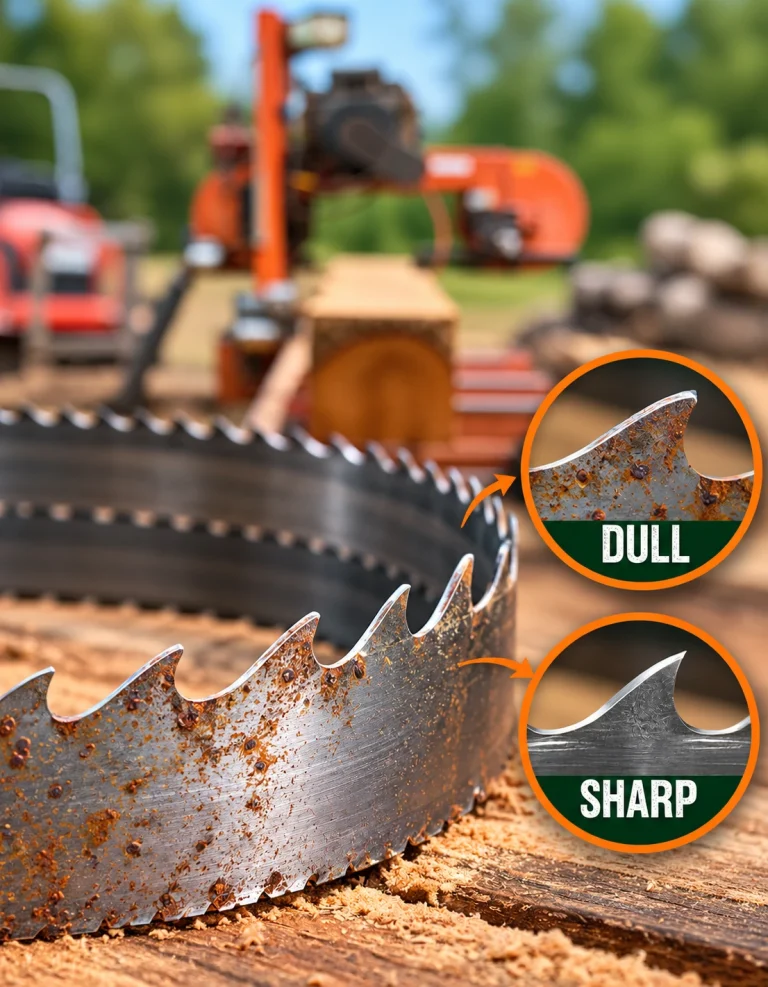
A dull sawmill blade can turn a good day of milling into a frustrating one pretty quickly. Cuts slow down, lumber may start getting rough or wavy, and your mill has to work harder than it should.
Regular sawmill blade sharpening helps restore the cutting edge, but sharpening is only part of the job. Proper tooth set is just as important for getting a blade to cut clean and straight.
In this guide, we’ll explain what sharpening does, why tooth set matters, how to recognize when a blade needs attention, and when professional sharpening may be worth it.
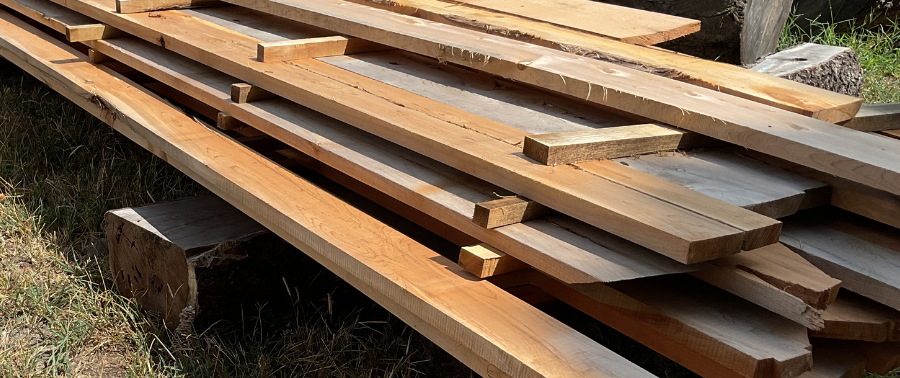
Why Sawmill Blade Sharpening Matters
A sharp sawmill blade cuts cleaner, faster, and puts less strain on your mill. It helps you get better looking lumber, reduces heat buildup, and can extend the life of your blade. Regular sharpening also helps prevent unnecessary wear on your mill and keeps your operation running efficiently.
Sharpening & Tooth Setting Work Together
A blade can be sharp and still cut poorly if the tooth set isn’t right. The tooth set is the alternating position of the teeth that creates clearance for the blade as it moves through the log. If the set becomes uneven, the blade may wander, but rough lumber, or create more resistance than it should.
That’s why we sharpen and set blades as part of the same service at Cutting Edge Sawmill. Sharpening restores the cutting edge, while setting helps the blade track and clear sawdust properly.


PRO TIP: A sharp blade with an inconsistent tooth set can still wander or leave a poor cut.
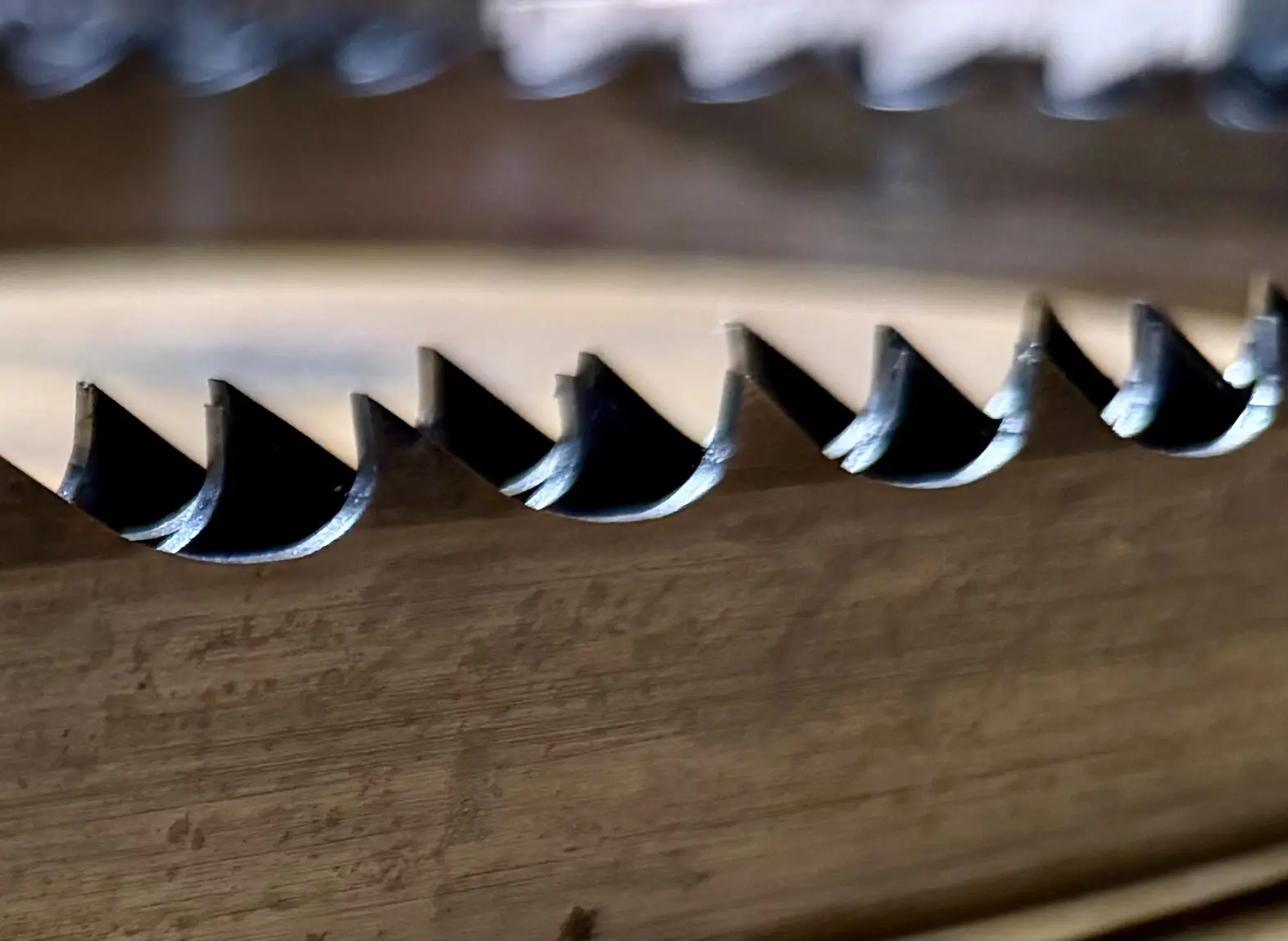
When Does a Sawmill Blade Need Sharpening?
Some of the first clues usually show up in the way the mill is cutting. You may notice slower feed rates, rougher lumber, blade wandering, increased heat, or a change in the sawdust coming from the cut. Don’t wait until a blade barely cuts before changing it.
Read our complete guide: How to Tell When Your Sawmill Blade Needs Sharpening →
A Little Blade Care Goes a Long Way
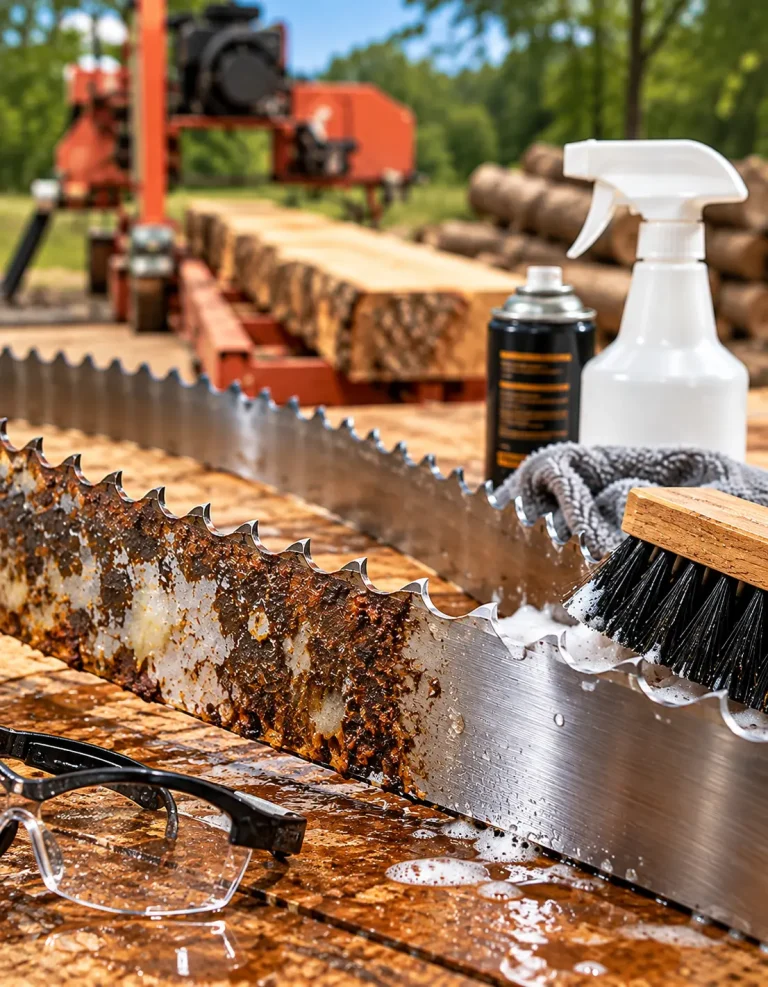
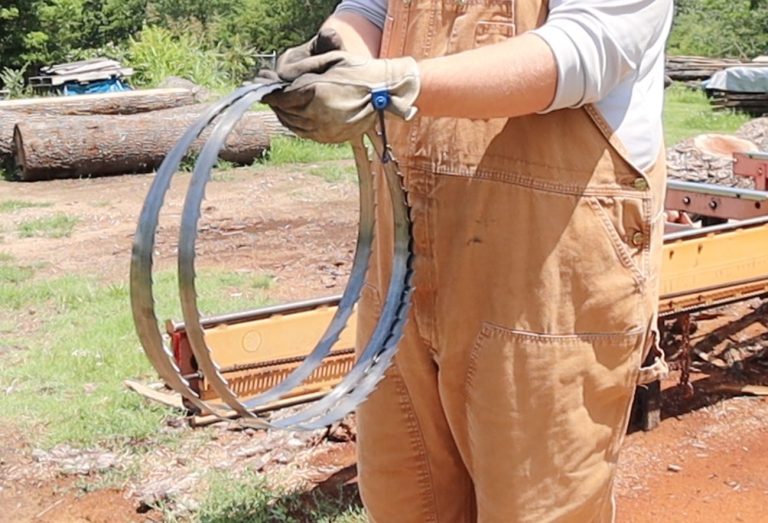
Sharpening isn’t the only thing that affects blade life. Keep blades clean, protect them from rust, inspect them for cracks or damaged teeth, and follow your mill manufacturer’s recommendations for blade tension and setup. Good blade care between sharpenings can help you get more useful life from each blade.
Read our Blade Care & Maintenance Guide →
What Happens When You Send Us Your Blades?
We follow a proven process to get your blades cutting like they should.

INSPECT
We check the blade for cracks, excessive wear, missing teeth and other damage.

SHARPEN
The tooth profile is professionally ground using our Wood-Mizer BMS500.
SET
Our BMT300 setter adjusts the tooth set for consistent clearance through the cut.

FINAL CHECK
The blade is checked again before it’s returned to you.
Need Your Sawmill Blades Sharpened?
We provide professional sawmill blade sharpening and setting to help you get cleaner cuts, better performance, and more life from your blades.
View Blade Sharpening Service →