
How to Clean Sawmill Blades
Before Sharpening
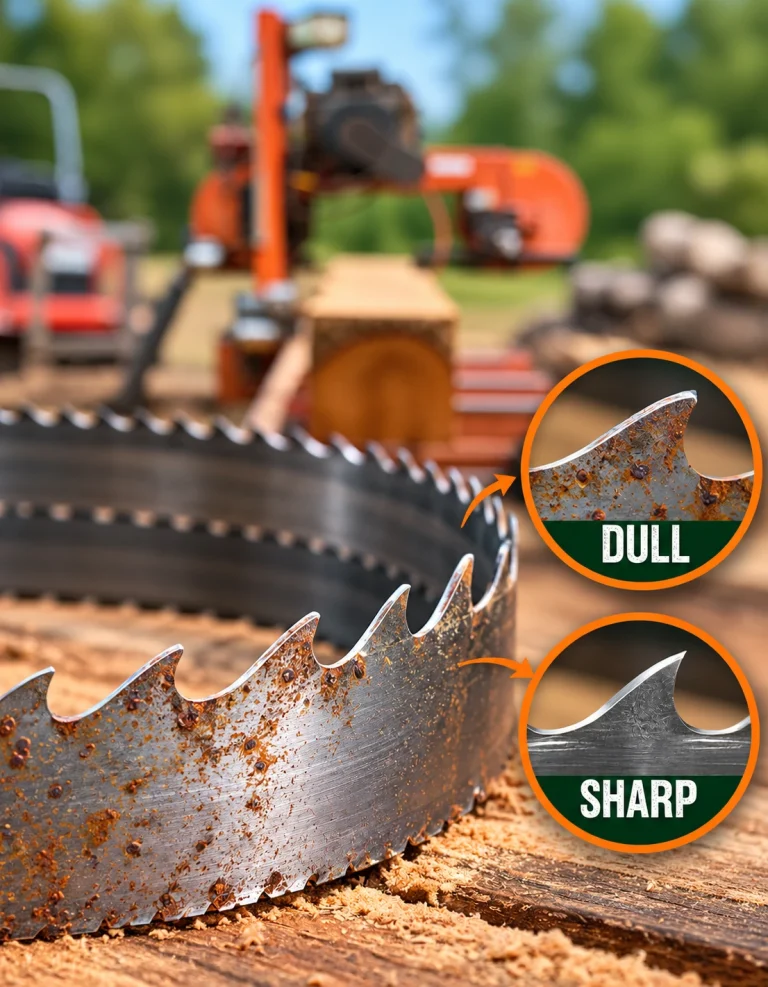
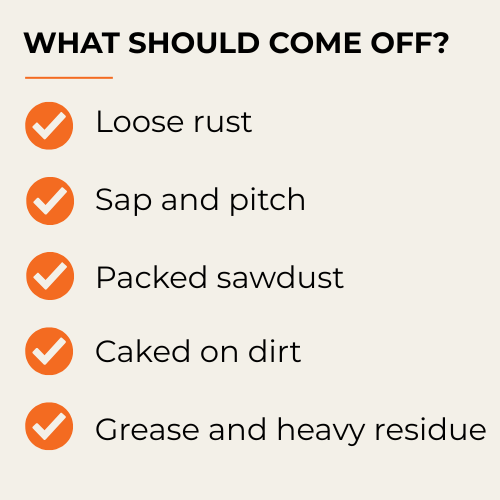
Dirt, pitch, rust, and packed sawdust can build up on a sawmill blade faster than you might think. Keeping your blades clean helps you inspect them more easily, prevents unnecessary corrosion, and gets them ready for sharpening and setting.
You don’t need anything complicated to clean most sawmill blades. A brush, the right cleaner, and a few minutes of maintenance can make a big difference.
Here’s how to clean sawmill blades safely, what products can help, and how to store them afterward so they stay in better shape.

Why Cleaning Your Sawmill Blades Matter
A dirty blade can make it harder to see cracks, damaged teeth, or other wear. Heavy pitch and sawdust buildup can also hold moisture against the blade and contribute to corrosion.
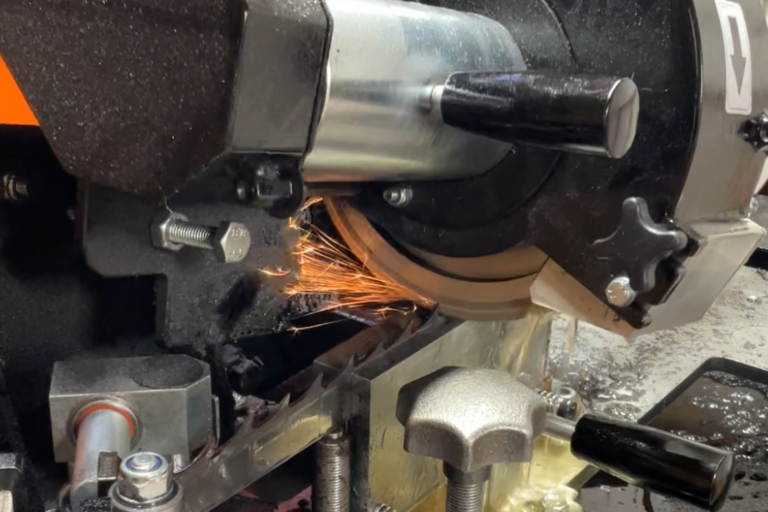
If you’re sending blades in for sharpening, removing heavy buildup beforehand helps the sharpening and setting process go more smoothly.

What You’ll Need
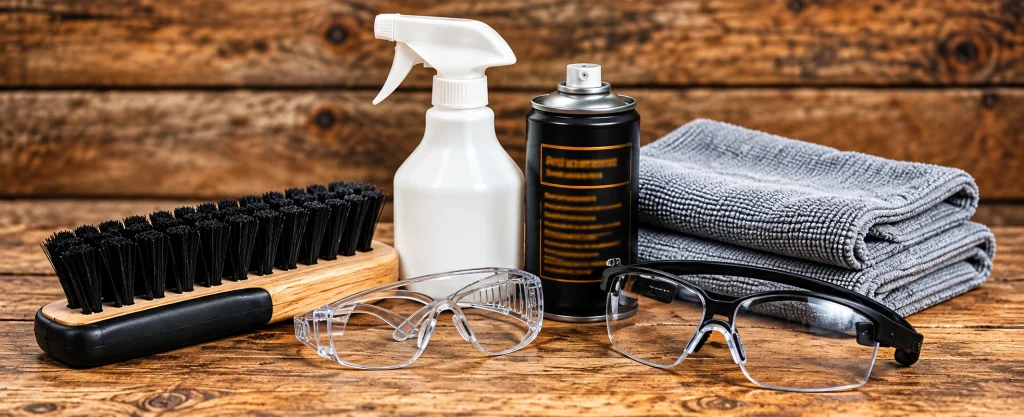
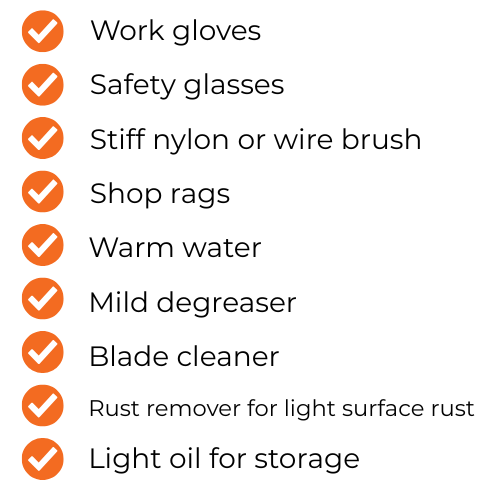

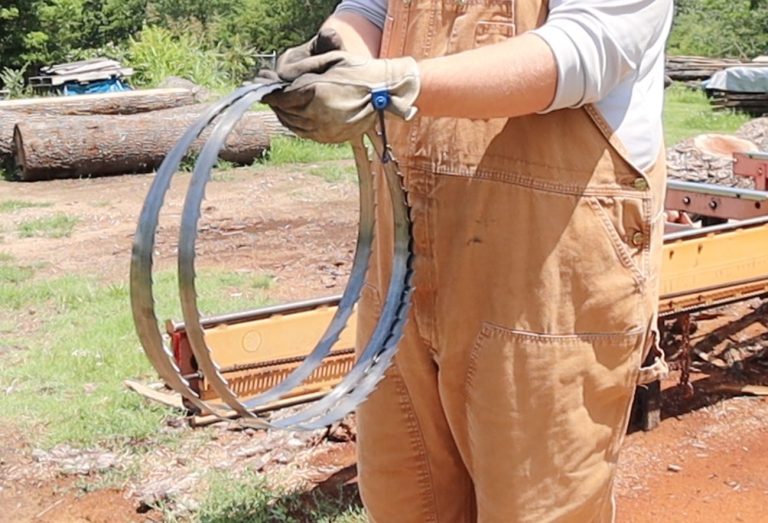
Safety tip: Wear gloves when handling sawmill blades, even when they’re coiled. The teeth are still sharp enough to cut you.

How to Clean Sawmill Blades

Step 1: Brush Off Loose Debris
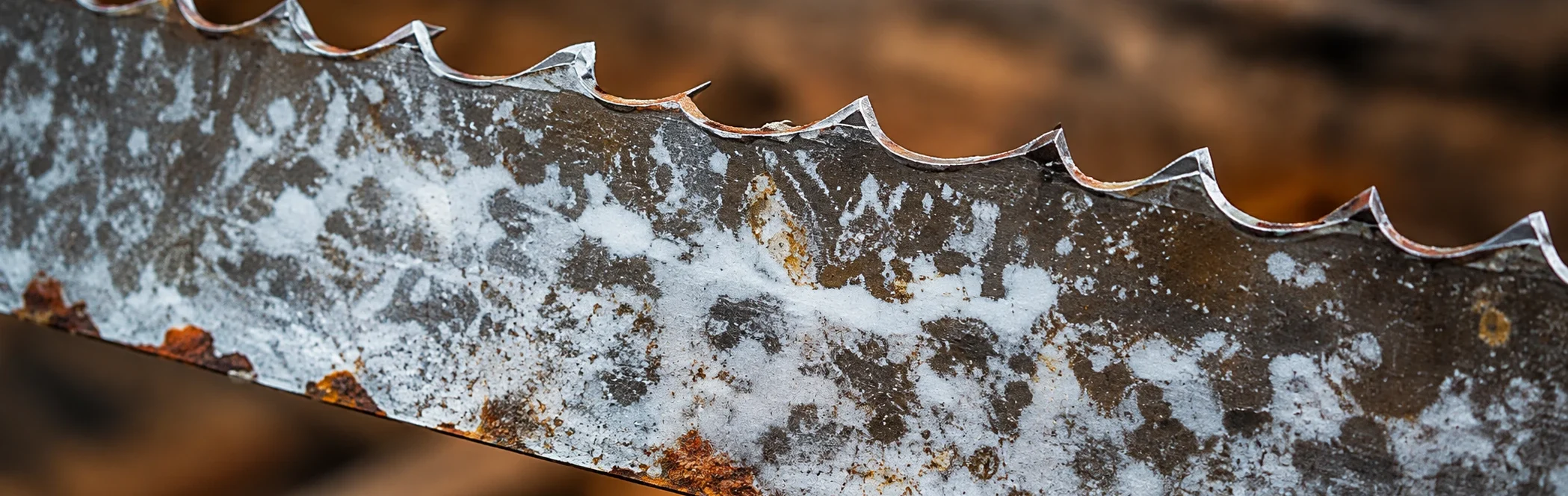
Start by removing loose sawdust, dirt, and flaky surface rust with a stiff brush. Work carefully around the teeth so you don’t catch your gloves on the cutting edge.
Step 2: Remove Pitch and Grease
For sticky sap, pitch, or oily buildup, use warm water with a mild degreaser or a cleaner made for saw blades. Let the cleaner work according to the product directions, then scrub gently and wipe clean.
Step 3: Treat Light Surface Rust
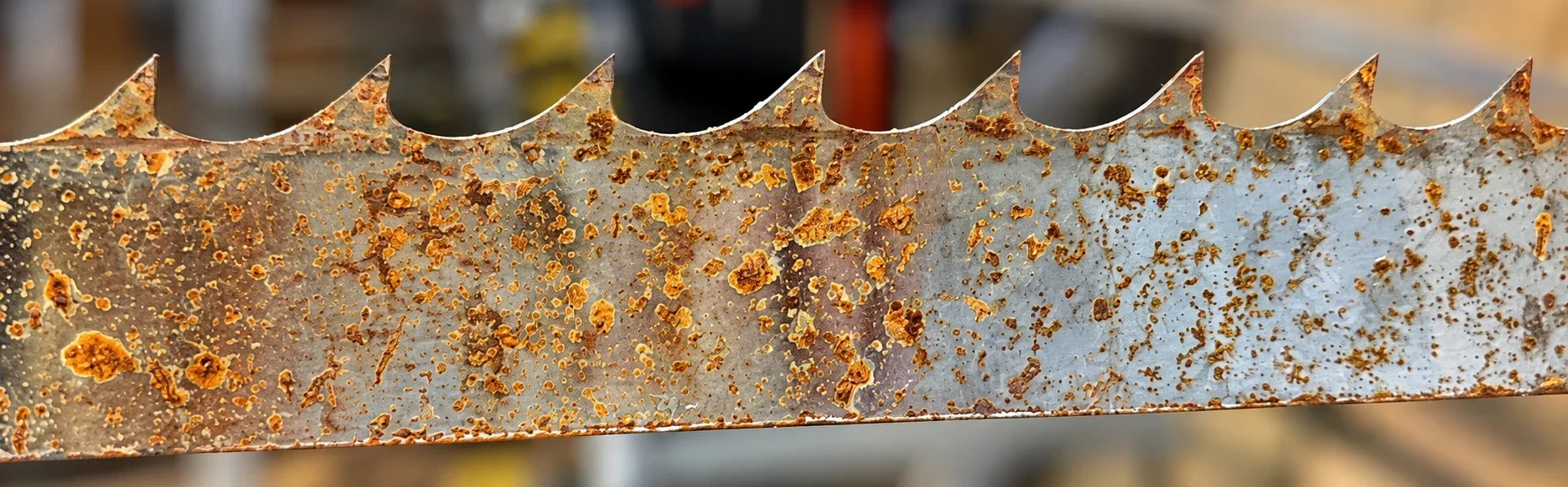
If the blade has light surface rust, a rust removal product can help loosen it. Follow the product directions carefully, then wipe or brush away the loosened rust.
Step 4: Rinse and Dry Throughly
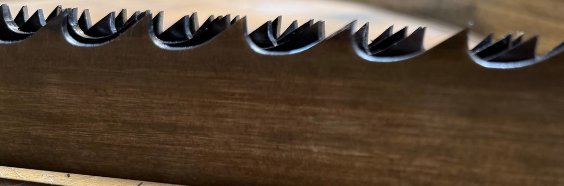
Remove any cleaner residue and dry the blade completely. Moisture left on the steel can cause flash rust surprisingly quickly.

PRO TIP: Don’t clean blades and then leave them damp overnight. Dry them right away.

How to Keep Sawmill Blades From Rusting Again
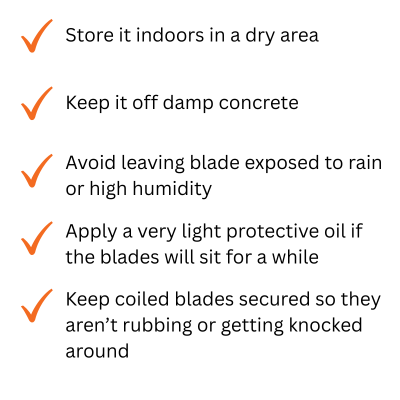
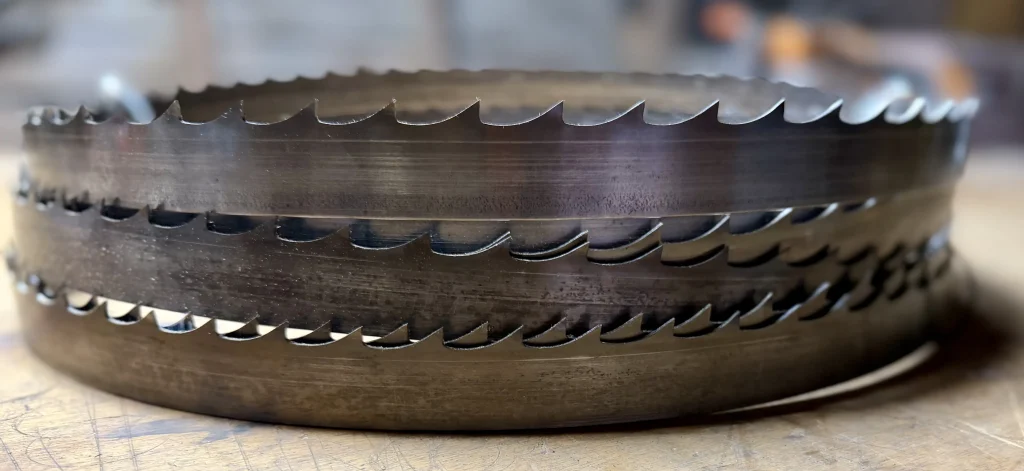
Once the blade is dry, a few simple steps can help keep it in better condition:
Need to coil your blades safely?
Read our guide on How to Fold and Unfold a Bandsaw Sawmill Blade Safely →

When a Blade May Need More Than Cleaning
Cleaning won’t fix every blade problem. Before reinstalling or shipping a blade, inspect it for:

If the blade looks clean but still isn’t cutting well, the issue may be sharpening, tooth set, or mill setup rather than dirt.
Read next: 5 Warning Signs Your Sawmill Blade is Getting Dull →

Getting the Blade Ready for Sharpening
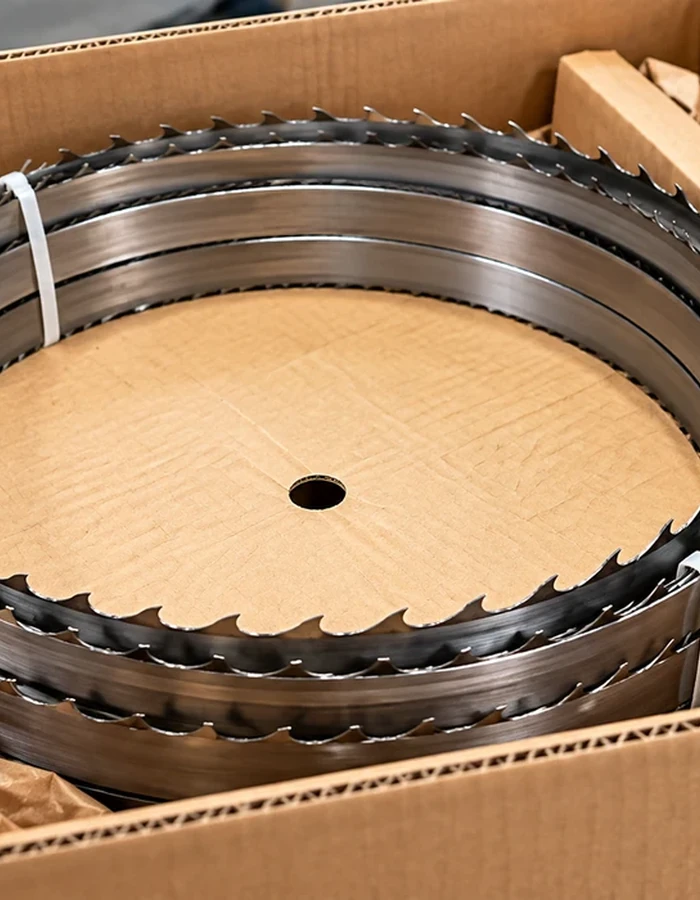
Once your blade is clean, dry, and safely coiled, it’s ready to be packed for shipping. A little cleaning before you send your blades can save time once they reach our shop. We can handle blades that arrive dirty or rusty, but blades with excessive rust or buildup may require additional cleaning before sharpening.

Current cleaning charge for excessive rust or buildup: $4 extra per blade

Ready to Ship?
Follow our step by step guide to pack and ship your blades safely:
Need Your Sawmill Blades Sharpened?
We provide professional sawmill blade sharpening and setting to help you get cleaner cuts, better performance, and more life from your blades.
View Blade Sharpening Service →