How We Sharpen and
Set Sawmill Blades
Our step by step process for getting your blades
ready to cut like new again.
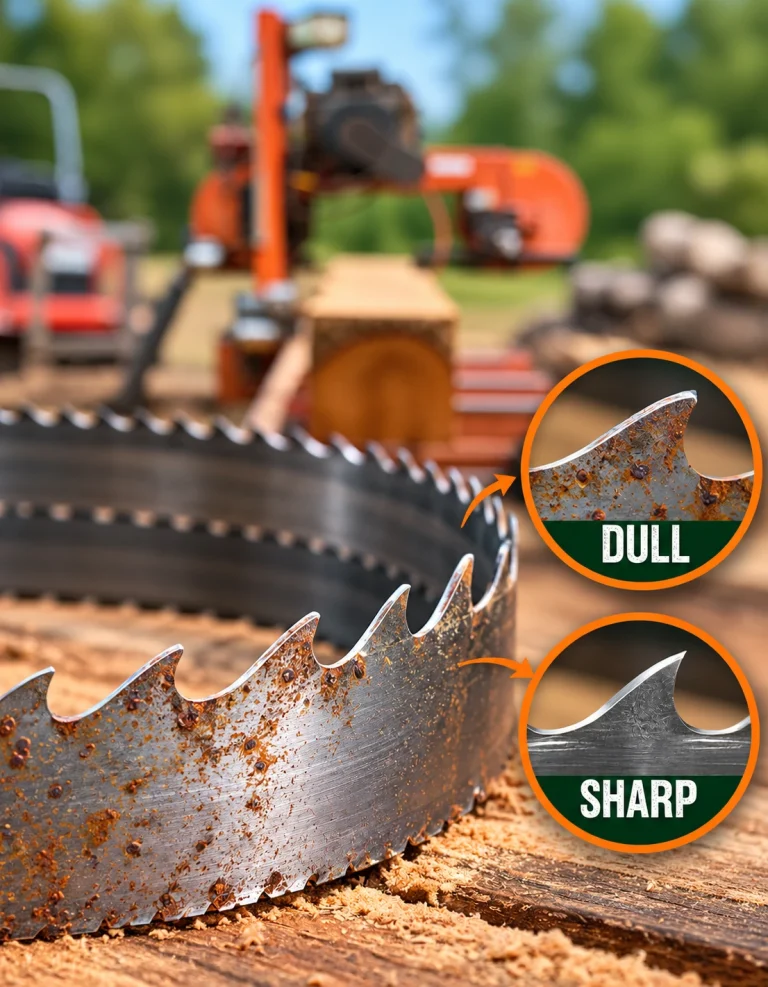
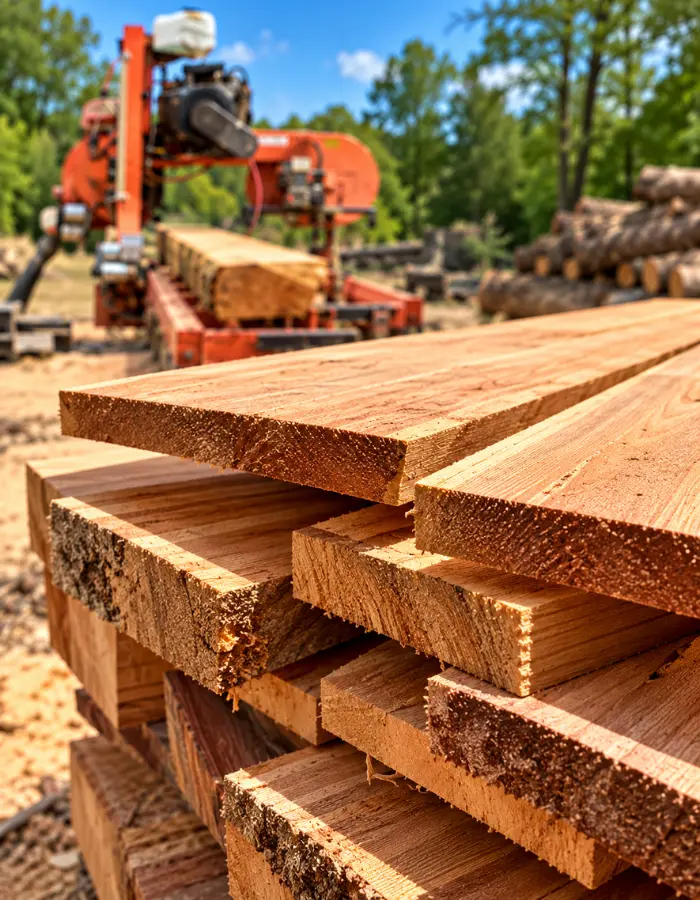
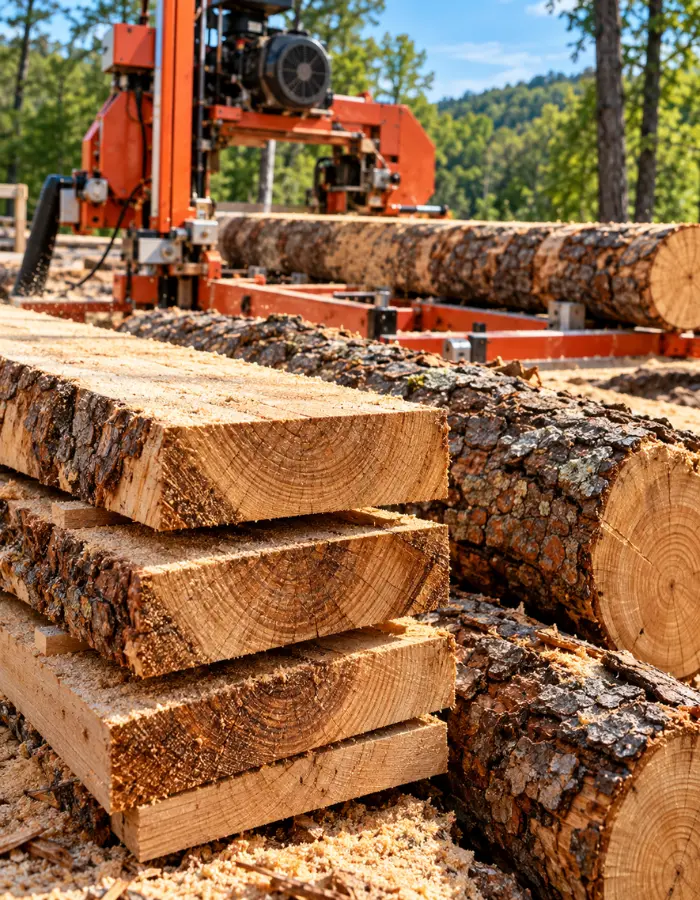
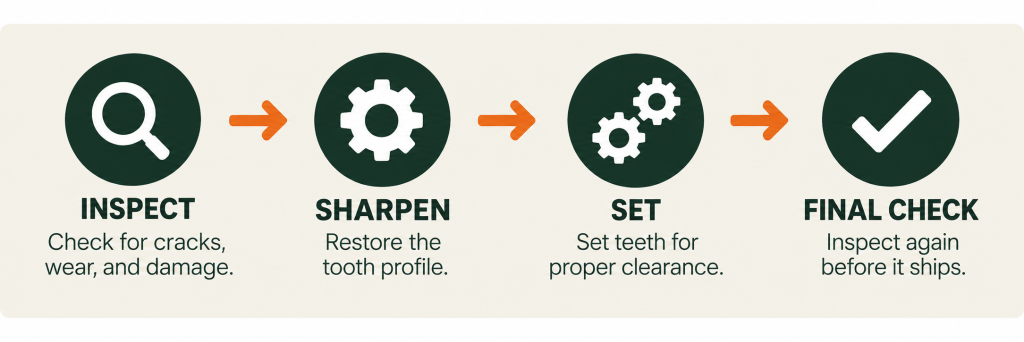
Ever wonder what happens after your sawmill blades arrive at our shop? We don’t just run them through a sharpener and send them back out. Each blade goes through a step by step process that includes inspection, cleaning (when needed), sharpening, tooth setting, and a final check before it heads back to you. Here’s a behind the scenes look at how we sharpen sawmill blades at Cutting Edge Sawmill.

We Inspect Every Blade First
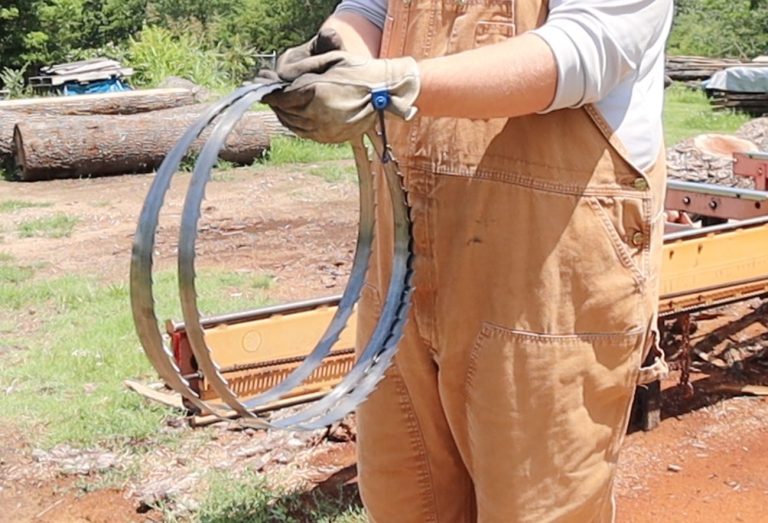
Before a blade goes on our equipment, we give it a thorough visual inspection. We look for cracks, bent or kinked sections, excessive tooth damage, and wear that may make the blade unsafe or no longer worth sharpening.
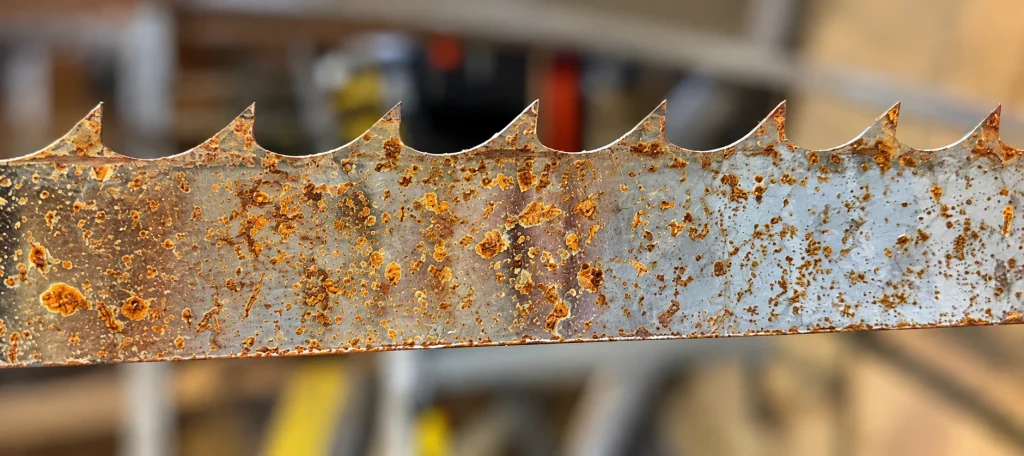

Good candidates for sharpening:
Dull blades, blades with usable tooth height, and blades needing tooth-set correction.

Blades we may have to cull:
Cracked blades, badly kinked blades, blades with excessive missing teeth, or blades sharpened beyond usable tooth height.

Cleaning Comes Next – If the Blade Needs It
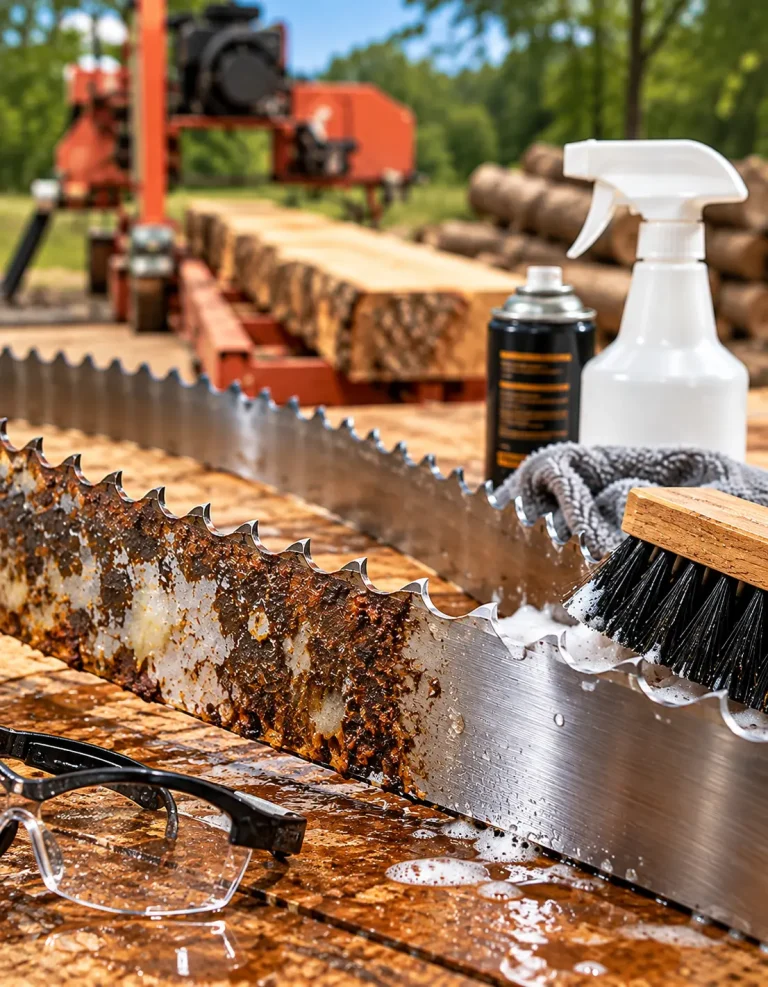
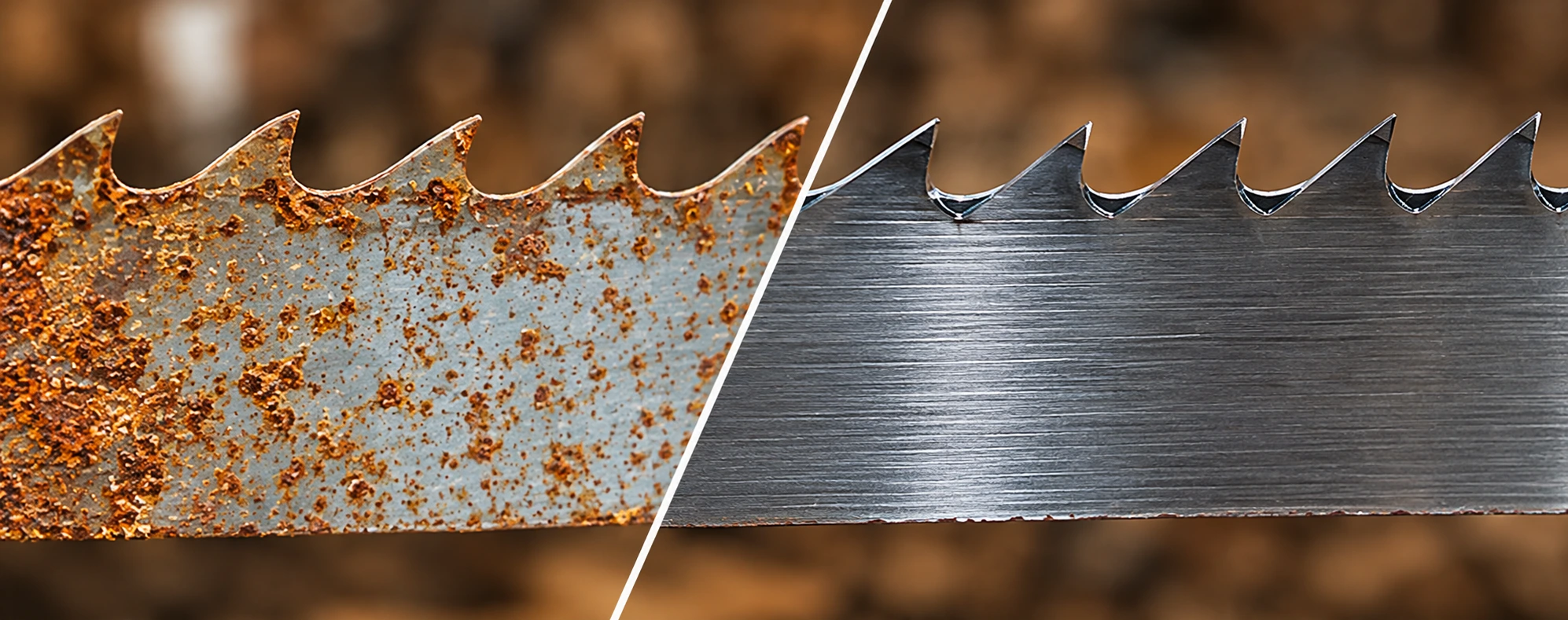
Heavy rust, pitch, dirt, and buildup can interfere with the sharpening process. If a blade arrives excessively dirty, we may need to clean it before it goes through the sharpener.

Preparing blades before you send them?
See our Blade Care & Maintenance Guide for cleaning tips.

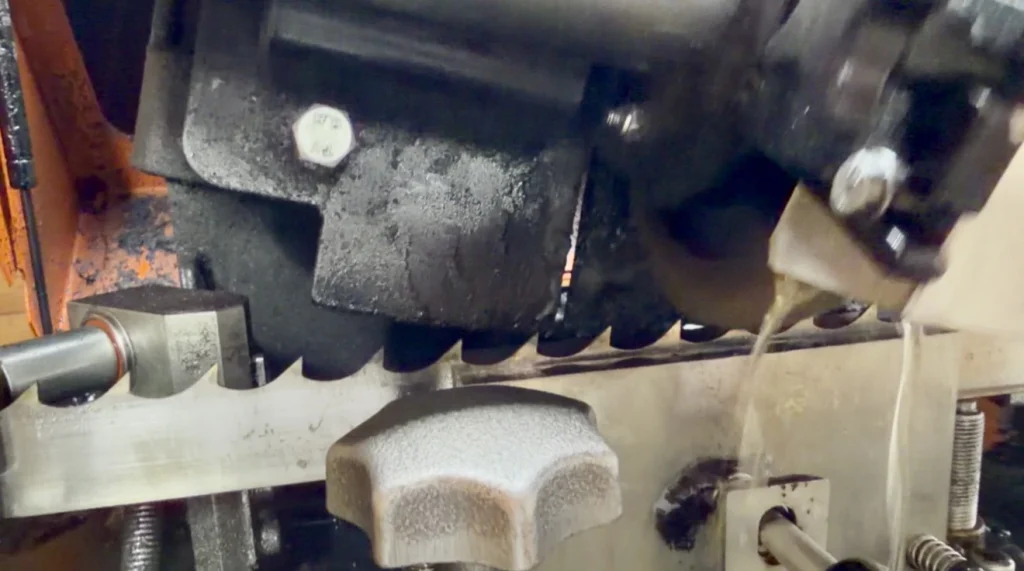
We Restore the Tooth Profile
Next, the blade goes through our Wood-Mizer BMS500 blade sharpener. The sharpener follows the tooth profile and removes a controlled amount of material to restore a clean cutting edge.
The goal isn’t simply to make the tip feel sharp. The tooth profile needs to stay consistent from one tooth to the next so the blade can cut smoothly and predictably.

Then We Set the Teeth
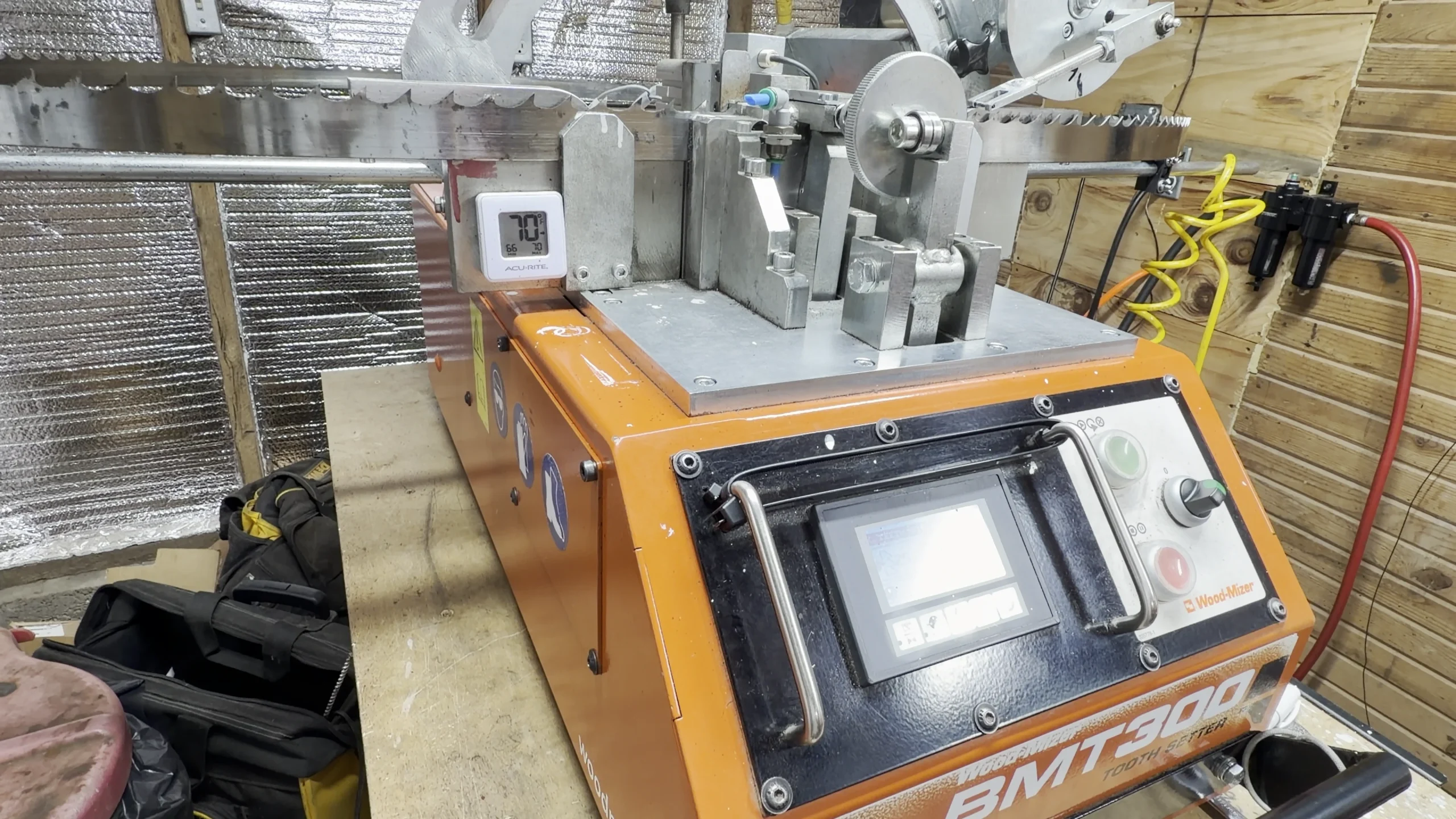
Sharpening is only half the job. After sharpening, the blade moves to our Wood-Mizer BMT300 computerized setter.
The tooth set controls how far the teeth alternate from side to side. That creates clearance for the blade body and helps the blade move through the cut without excessive friction.

PRO TIP:
A blade can be sharp and still cut poorly if the tooth set is inconsistent.

We Give the Blade a Final Check
After sharpening and setting, we inspect the blade again before it leaves the shop. We’re looking for anything that may have been missed earlier and making sure the blade is ready to go back to work.

What if a Blade Shouldn’t be Sharpened?
Not every blade should go back into service. If we find a serious crack, bad kink, excessive tooth loss, or another problem that makes the blade a poor candidate for sharpening, we may cull it instead of putting more work into a blade that won’t perform properly.


Once Your Blades Are Finished
If you dropped your blades off locally, we’ll let you know when they’re ready. For mail-in customers, we’ll prepare your completed blades for the return trip once your invoice is taken care of. Read our guide to ship →
Need Your Sawmill Blades Sharpened?
We provide professional sawmill blade sharpening and setting to help you get cleaner cuts, better performance, and more life from your blades.
View Blade Sharpening Service →