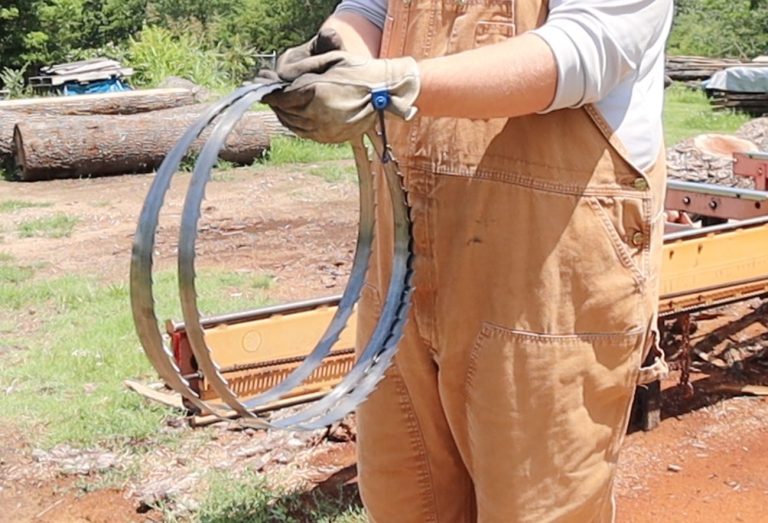
Choosing the Right Sawmill Blade for Your Logs
Match your blade to your wood, mill, and goals for cleaner cuts, longer blade life, and better results at the sawmill.
The right sawmill blade can make a big difference in your productivity, cut quality, and overall experience at the mill. With so many options – different tooth patterns, blade widths, and configurations – it can be tough to know which one is best for your logs. This guide breaks down the key factors to consider so you can choose the right blade for your wood, your mill, and your goals.

Start with the wood you’re cutting
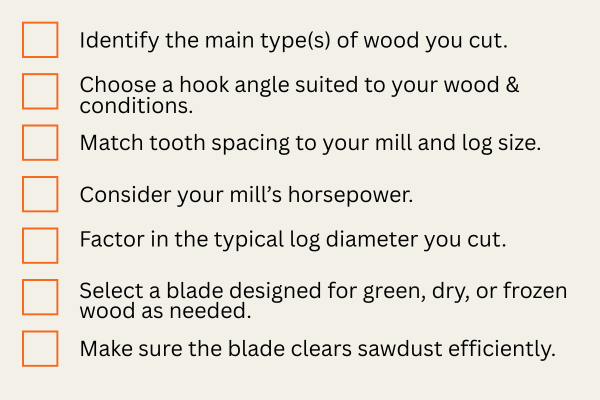
Different wood species behave differently at the sawmill. Softwoods like pine, fir, and cedar are generally easier on blades, while hardwoods like oak, maple, and hickory are denser and more abrasive. If you mostly cut one type of wood, choose a blade designed for that species. If you cut a mix, a versatile blade with a moderate hook angle and tooth spacing is often a good starting point.

Understand hook angle
Hook angle refers to the angle of the tooth face, and it affects how aggressively the blade cuts. A higher hook angle (10° – 15°) cuts faster and works well in softwoods. A lower hook angle (0° – 7°) is more durable and better for hardwoods, frozen logs, or dirty wood. Choose a hook angle that matches your wood and operating conditions.

Match tooth spacing to your mill
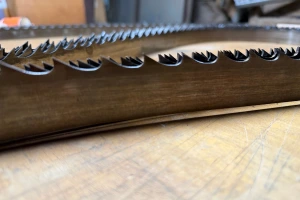
Tooth spacing (also called gullet size) determines how much wood each tooth removes. Wider spacing clears sawdust faster and works better on larger logs and higher horsepower mills. Tighter spacing gives a smoother finish and works well on smaller logs or lower horsepower mills.

Consider mill horsepower
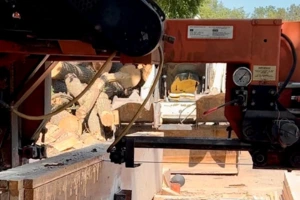
Your mill’s horsepower plays a big role in which blade will perform best. Higher horsepower mills can handle more aggressive blades with larger tooth spacing and higher hook angles. If you have a lower horsepower mill, choose a blade with a more conservative tooth design to avoid stalling and get cleaner cuts.

Think about log diameter
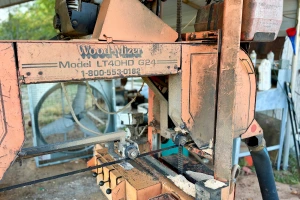
Larger diameter logs create more material for each tooth to remove, so they typically require blades with wider tooth spacing a good sawdust clearance. Smaller logs can be cut effectively with tighter spacing for a smoother finish.

Green Wood vs. Hard or Frozen Wood
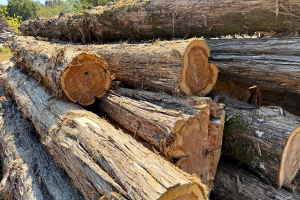
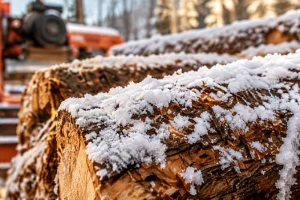
The condition of the wood matters too. Green wood generally cuts differently then dry dry, dense, or frozen wood. Some blade profiles are designed specifically to handle hard to cut or frozen material.
Wood-Mizer’s guidance, for example, identifies 9° profiles for lower horsepower sawing in hardwood, frozen wood, and small diameter logs, while other profiles are designed for softer wood or more aggressive production.
If your cutting conditions change dramatically with the seasons, you may find that one blade profile doesn’t perform equally well year round.

Pay Attention to Sawdust Removal
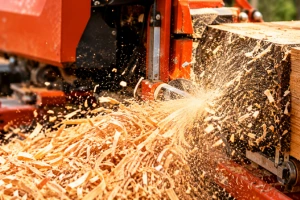
The space between the teeth, the gullet, carries sawdust out of the cut. If the gullet can’t clear sawdust efficiently, the blade may heat up, rub more, or leave a rougher surface. Taller tooth profiles and larger gullets can improve sawdust removal in higher horsepower applications.
This is one reason the “best” blade isn’t simply the sharpest blade.

Don’t Ignore Blade Width and Thickness
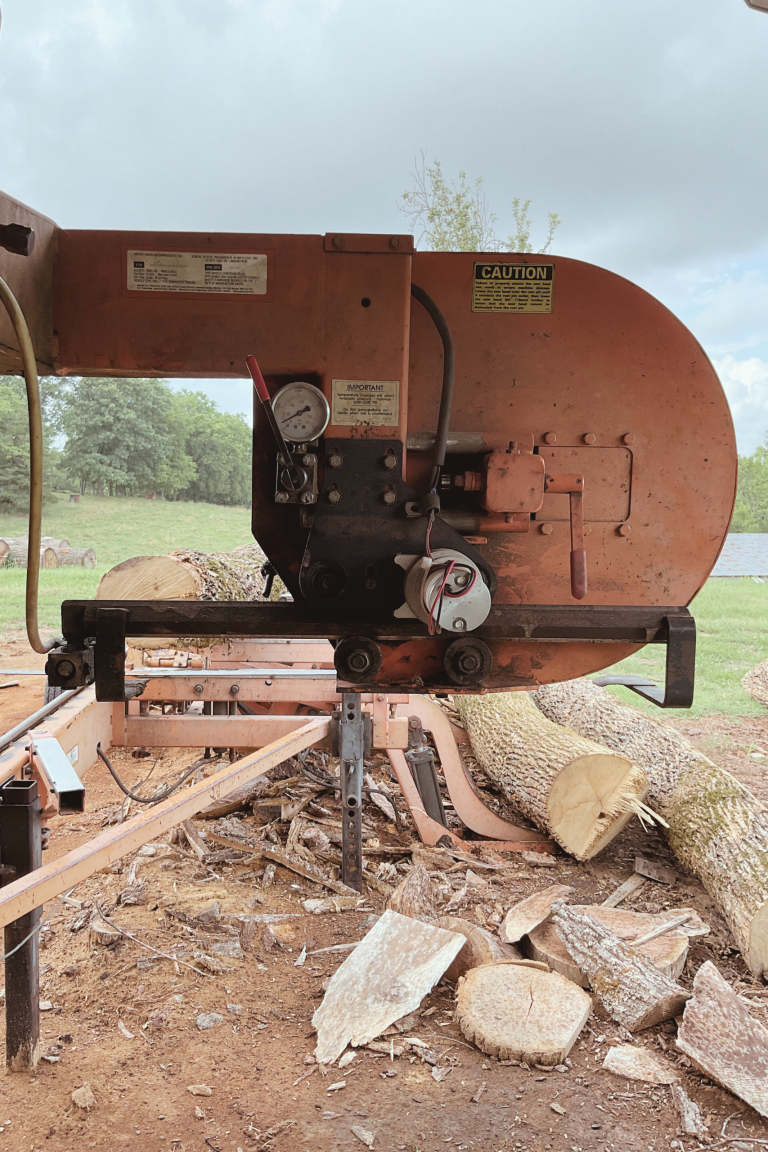
Blade width and thickness should match what your sawmill is designed to run. A thicker or wider blade is not automatically better. Your mill’s wheels, guides, tension system, and horsepower are designed around certain blade dimensions. Always stay within the blade sizes recommended by the manufacturer. This is especially important if you’re switching brands.

When an All-Purpose Blade Makes Sense
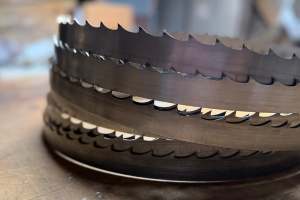
If you cut a mixture of common softwoods and hardwoods and don’t want to switch blade profiles frequently, a versatile all purpose blade may be the simplest choice. Wood-Mizer describes its 10° profile as a popular, versatile choice across a range of woods including pine, poplar, cherry, walnut, birch, beech, red oak, and soft maple. For many portable sawmill owners, starting with the manufacturer’s recommended all purpose blade is a good baseline. Then adjust only if your cutting conditions consistently call for something different.

The Right Blade Still Needs Proper Sharpening and Set
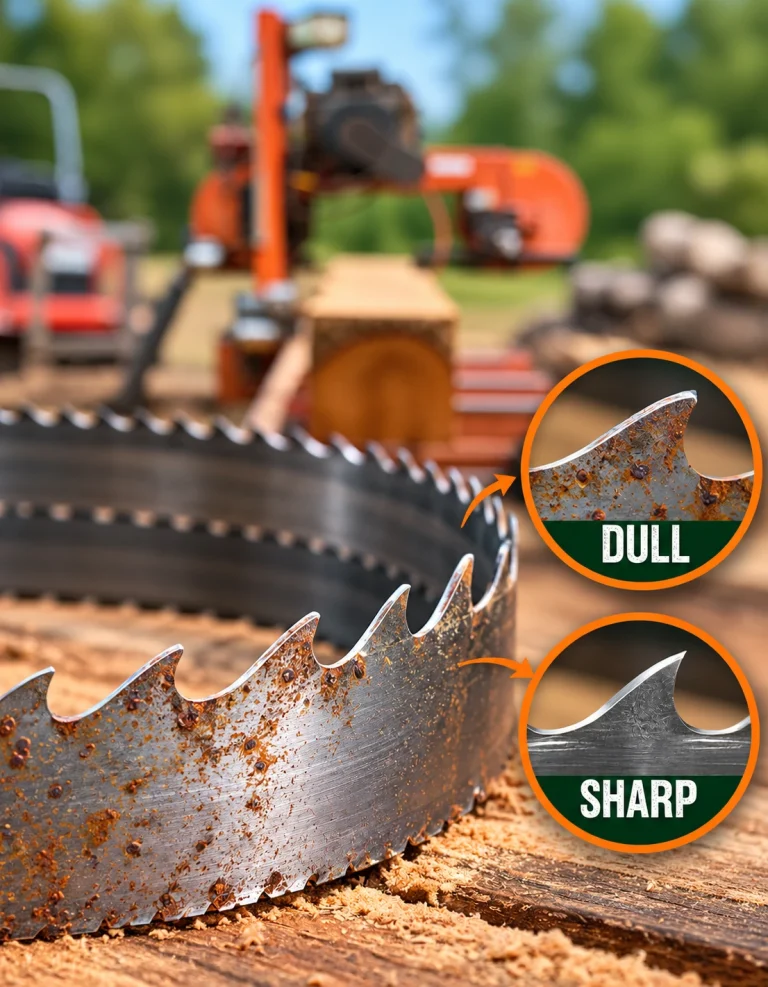
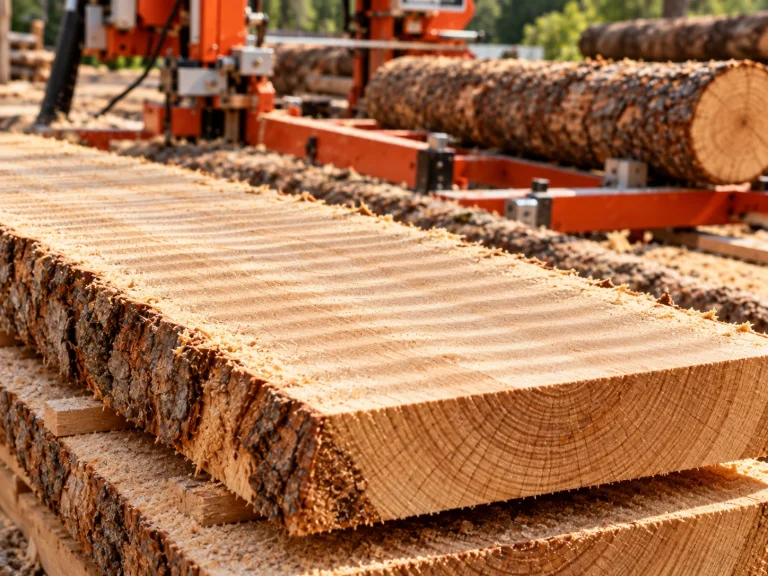
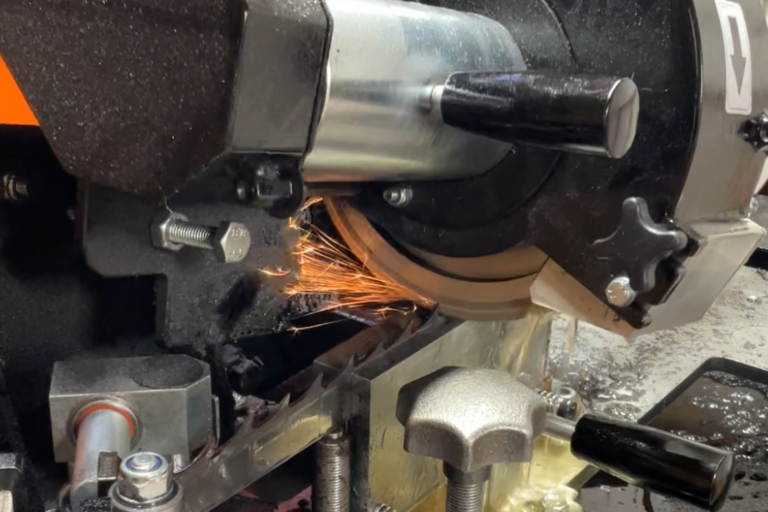
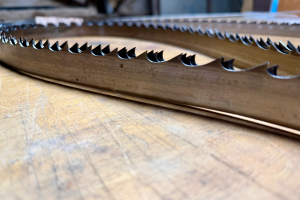
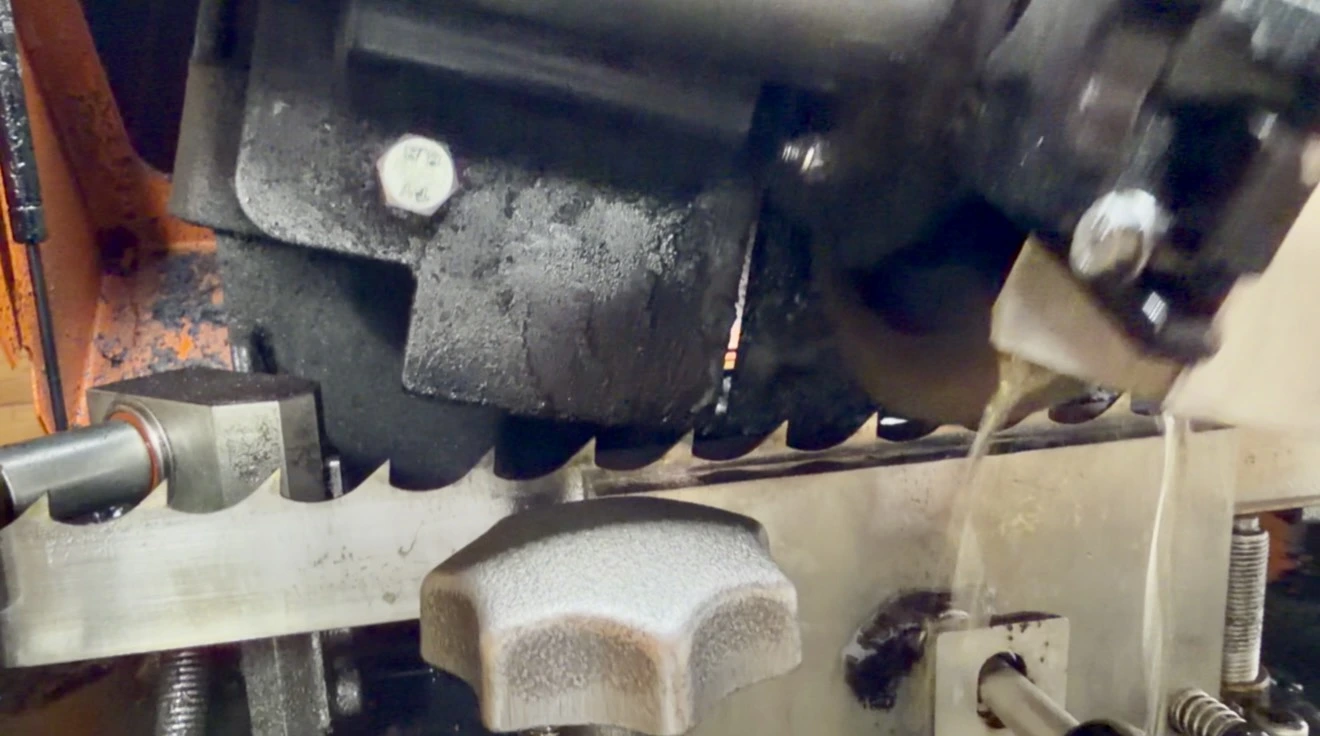
Even the perfect blade profile won’t perform well if the teeth are dull or the tooth set is inconsistent. Sharpening restores the cutting edge. Setting controls the side to side clearance that lets the blade move through the cut. If your blade is matched Well to the wood but still leaves rough lumber, wanders, or runs hot, inspect the blade condition before assuming you chose the wrong profile.

A Simple Blade-Choosing Checklist
Final Thoughts
There’s no single “best” blade for every situation, but by considering your wood, mill, and operating conditions, you can find a blade that delivers better cuts, longer life, and a smoother milling experience. Take the time to match the blade to your needs, keep it sharp, and make adjustments as your logs and goals change.
Need Your Sawmill Blades Sharpened?
We provide professional sawmill blade sharpening and setting to help you get cleaner cuts, better performance, and more life from your blades.
View Blade Sharpening Service →