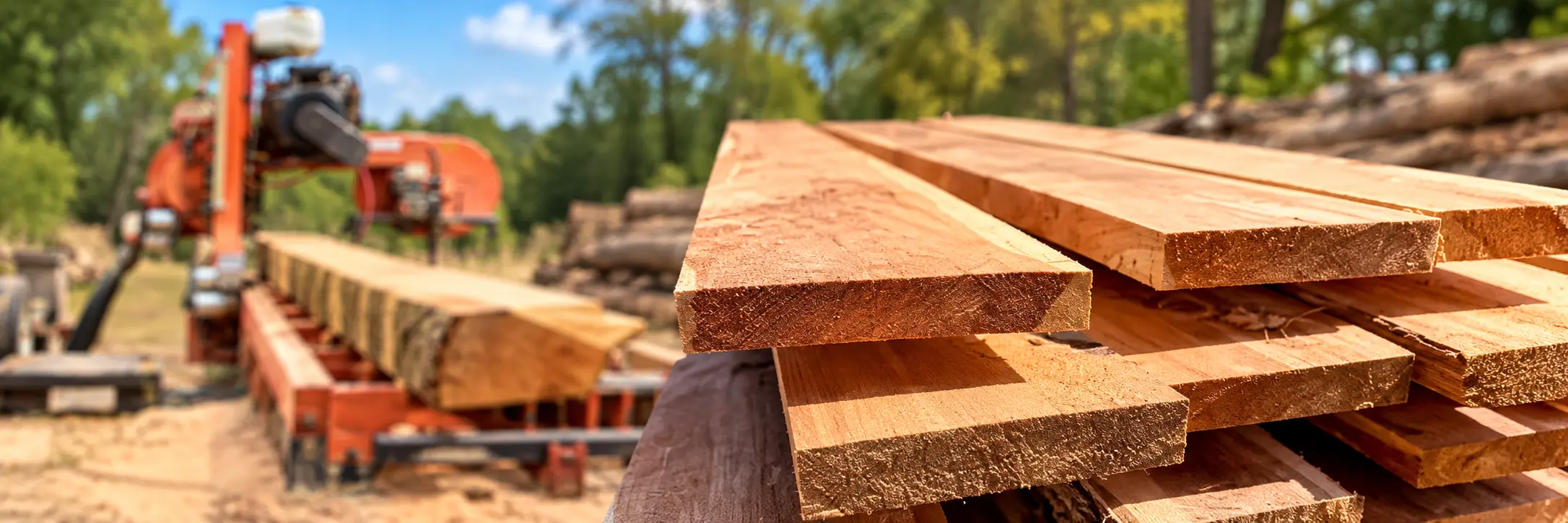
How to Get a Smoother Cut on a Sawmill
Getting a smooth, clean cut on your sawmill makes a big difference in the look, strength, and usability of your lumber. Rough boards, heavy saw marks, or a fuzzy surface can be frustrating, but most of the time the problem comes down to a few key factors. Here are 10 practical tips to help you get a smoother cut on a sawmill and better looking boards.

Start With a Sharp Blade
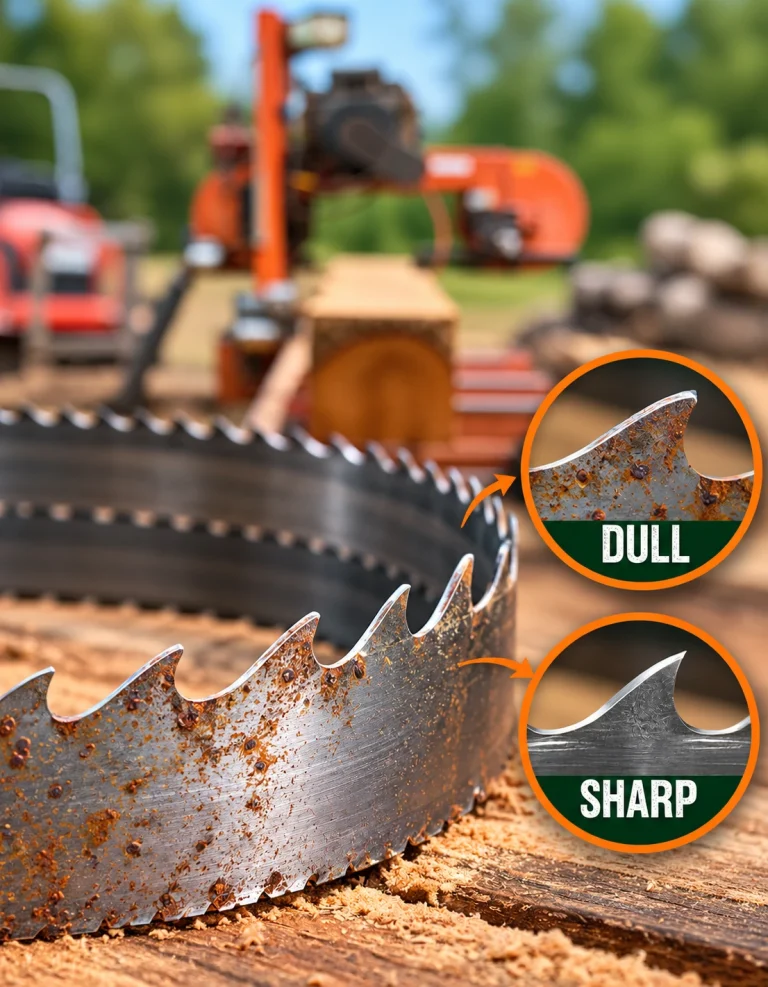
A sharp blade cuts cleaner and leaves a smoother surface with less strain on your mill. Dull blades create rough saw marks, tear the wood fibers, and can make the board look fuzzy. Keep your blades properly sharpened and set.
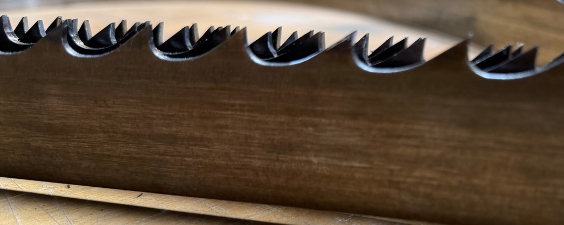

Check Your Tooth Set
The tooth set controls the width of the cut (kerf) and helps the blade clear sawdust. If the set is uneven, too wide, or too narrow, it can leave heavy saw marks or a rough surface. Properly setting the blade helps you get a smoother finish.
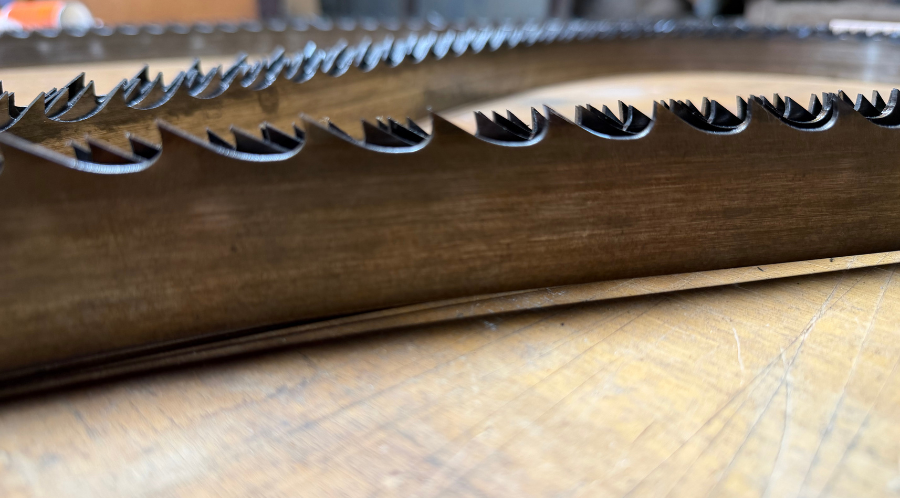

Adjust Your Feed Rate
Feeding the log through the mill at a steady, consistent rate helps the blade cut cleanly. Pushing too fast can create rough cuts and washboarding. Going too slow can overhead the blade and leave a fuzzy surface.

Keep Blade Tension Correct
Proper blade tension reduces vibration and helps the blade cut straighter and cleaner. Too little tension can cause wandering and rough cuts. Too much tension can lead to premature blade wear or even breakage.


Inspect Blade Guides and Alignment
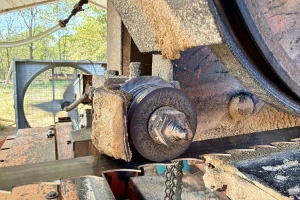
Worn or misaligned blade guides can allow the blade to wander, which leaves uneven cuts and a rougher surface. Make sure your guides are adjusted correctly and that your mill is level and aligned.

Keep the Blade Clean
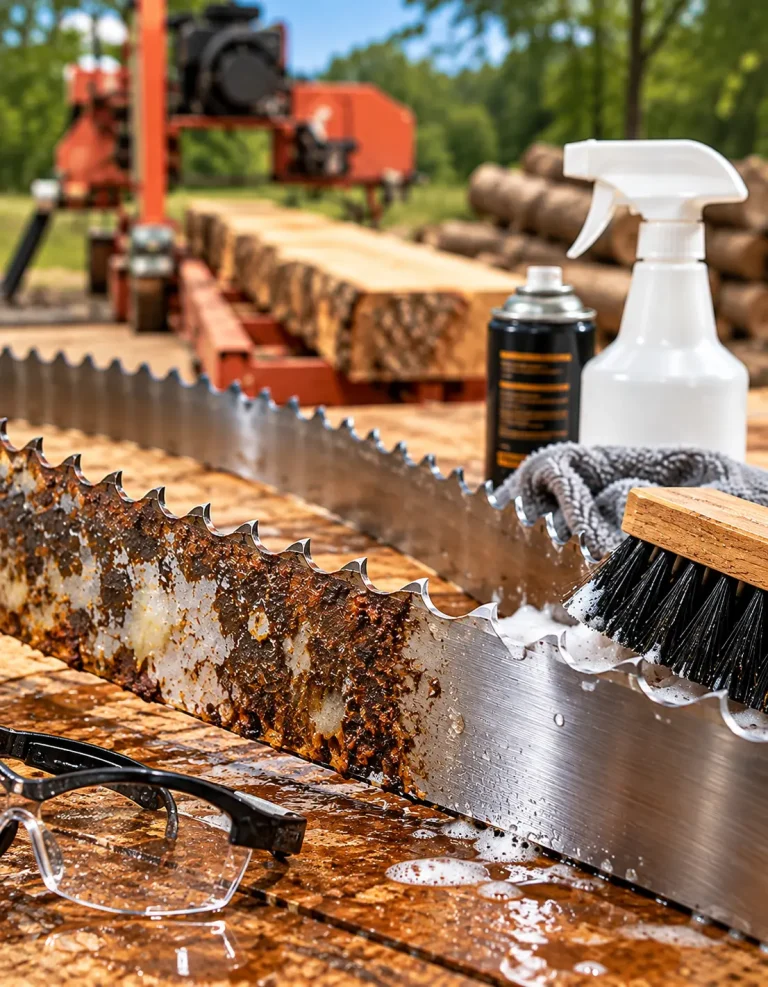
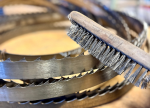
Pitch, sap, and sawdust buildup can make the blade run hot and leave rough saw marks. Clean your blades regularly to keep them cutting smoothly, especially when milling reins trees like pine.

Watch for Heat and Pitch Buildup
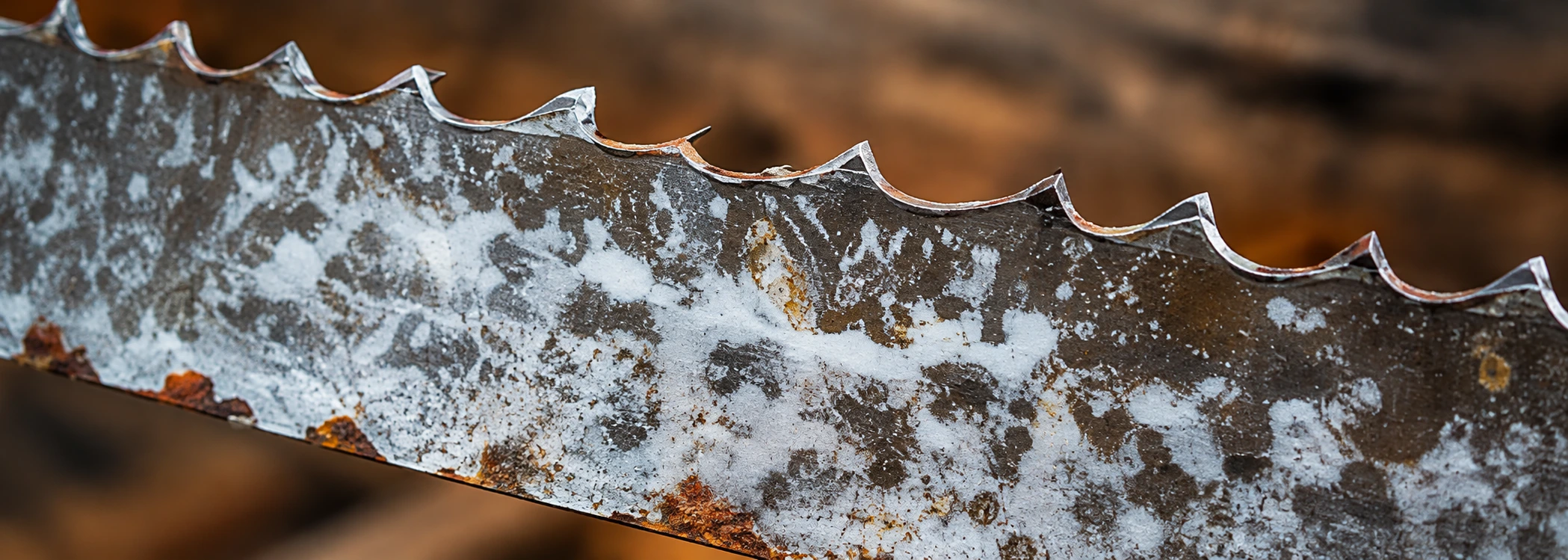
Heat can dull the blade and cause a rough surface finish. If you see discoloration, heavy pitch, or smoke, slow down your feed rate, check blade sharpness, and make sure your blade is clean.

Consider the Wood Species and Moisture
Hardwoods, softwoods, and wet wood all cut differently. Some species are naturally fuzzier and may require a sharper blade, slower feed rate, or more frequent blade cleaning to get a smooth surface.


PRO TIP: If a log has been sitting for a while, trim about 1 to 2 inches off the end before milling. The exposed end grain can harden over time and may dull your blade faster.

Read the Surface of the Board
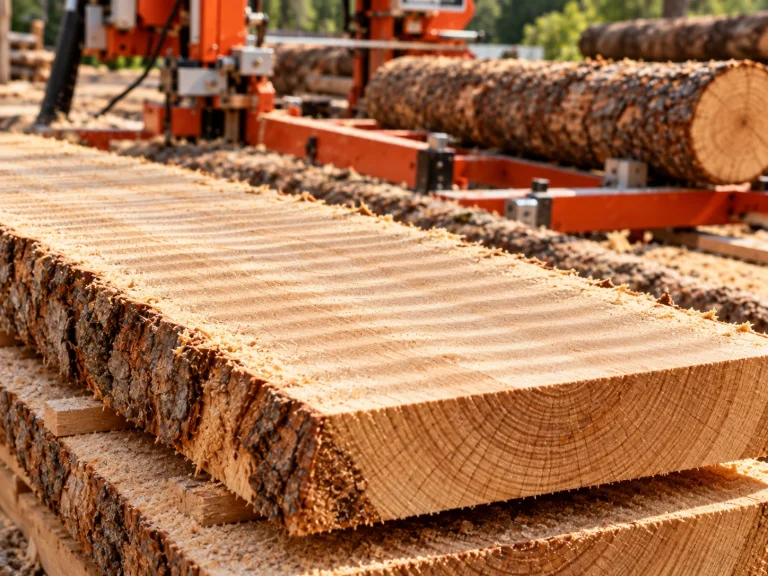
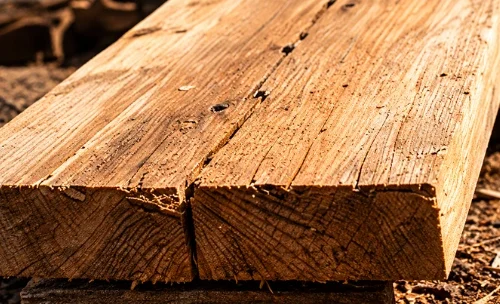
Your boards will tell you a lot about what’s happening. Heavy saw marks, washboarding, or a fuzzy surface are signs that something needs adjustment. Learn to recognize the patterns so you can make changes early.

Know When It’s Time to Change the Blade for a Smoother Cut on a Sawmill
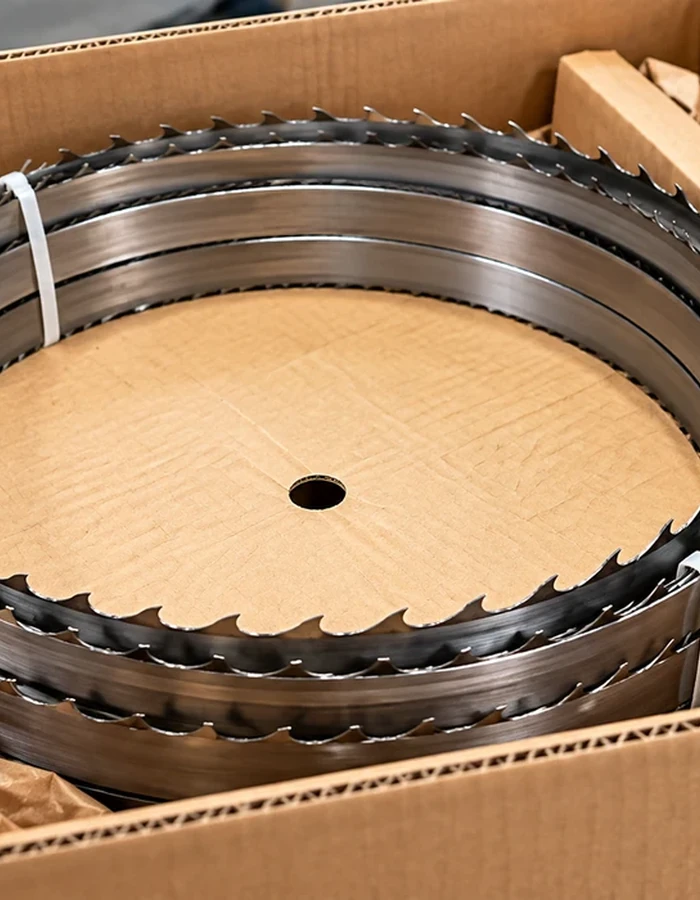
Even with proper care, blades wear out. If your boards are consistently rough, the blade may be getting dull or the tooth set may be worn. Changing or sharpening the blade can help.
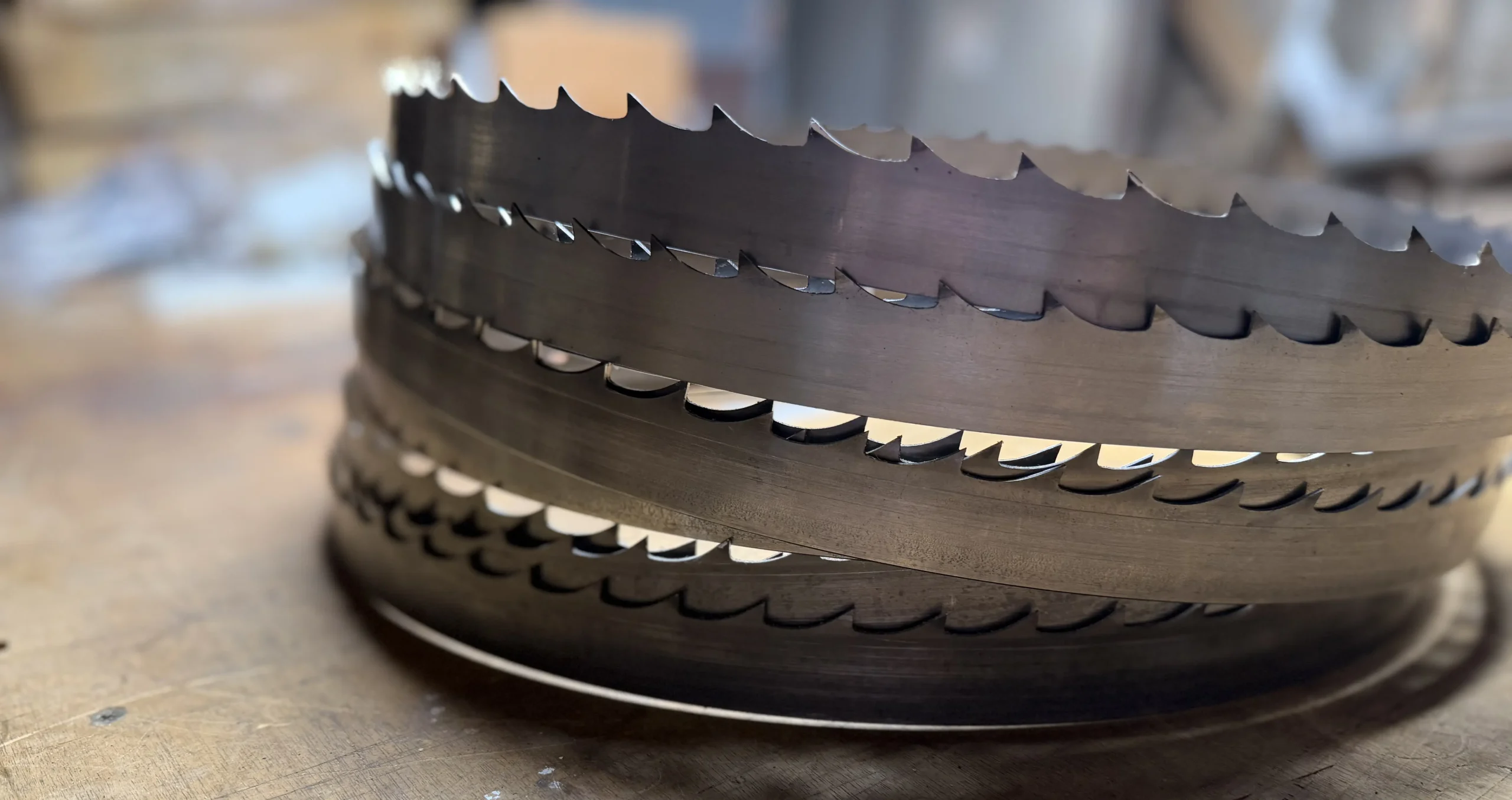
Smooth Lumber Makes a Difference
A smoother cut means less sanding, less waste, and boards that are ready to use. With the right blade care, mill setup, and cutting habits, you can get cleaner, better looking lumber from your sawmill.
Need Your Sawmill Blades Sharpened?
We provide professional sawmill blade sharpening and setting to help you get cleaner cuts, better performance, and more life from your blades.
View Blade Sharpening Service →