
Top 10 Tips for Better Lumber Quality From Your Sawmill
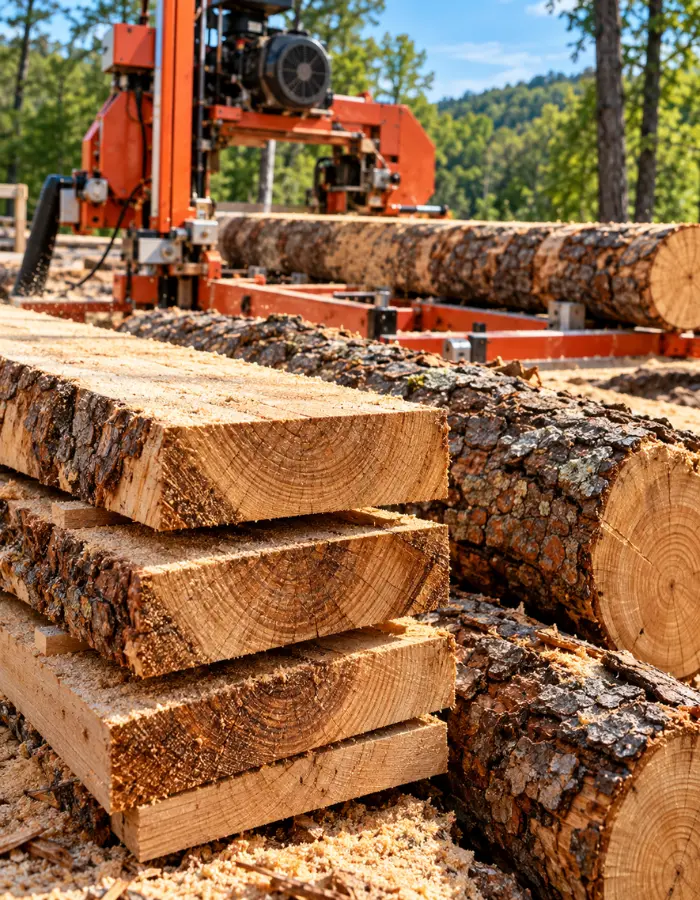
Getting good lumber from your sawmill isn’t just about the equipment, it’s a combination of blade condition, mill setup, and good cutting habits. When everything works together, you’ll get straighter boards, smoother surfaces, and more usable lumber from every log.
Here are 10 practical tips to help you get better lumber quality from your sawmill and make the most of your time on the mill.

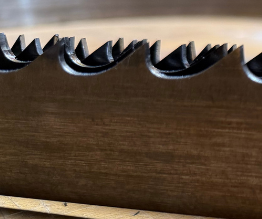
Start With a Sharp, Properly Set Blade
A sharp blade with the correct tooth set makes a huge difference in lumber quality. Sharp teeth cut cleaner, put less strain on your mill, and leave a smoother surface.
If the blade is dull or the tooth set is uneven, you’ll likely see rough cuts, wavy boards, and inconsistent thickness.

Keep Logs as Clean as Possible
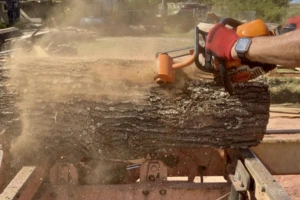
Dirt, mud, rocks, and bark debris can quickly dull a sawmill blade and affect cut quality. Whenever possible, remove excess dirt and let logs dry a bit before milling. We use our debarker but we have also sprayed with a pressure washer.

PRO TIP: Use a stiff brush or pressure washer to clean logs, especially if they’ve been on the ground.

Make Sure Blade Tension Is Correct
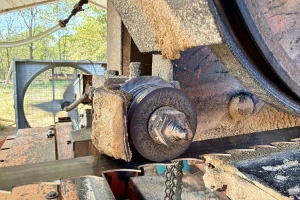
Proper tension helps the blade track straight, reduces vibration, and produces a cleaner cut. Too little tension can cause wandering. Too much tension can lead to premature blade wear or even breakage.


Check Blade Guides and Alignment
Worn or misaligned blade guides can cause the blade to wander and leave uneven cuts. Make sure guides are adjusted correctly and in good condition. Also check that your mill is level and aligned properly.

Use a Steady Feed Rate
Feeding the log through the mill at a consistent, steady rate helps the blade cut cleanly. Pushing too fast can overload the blade and leave rough umber. Going too slow can create heat and cause the blade to rub instead of cut.

Watch Your Tooth Set
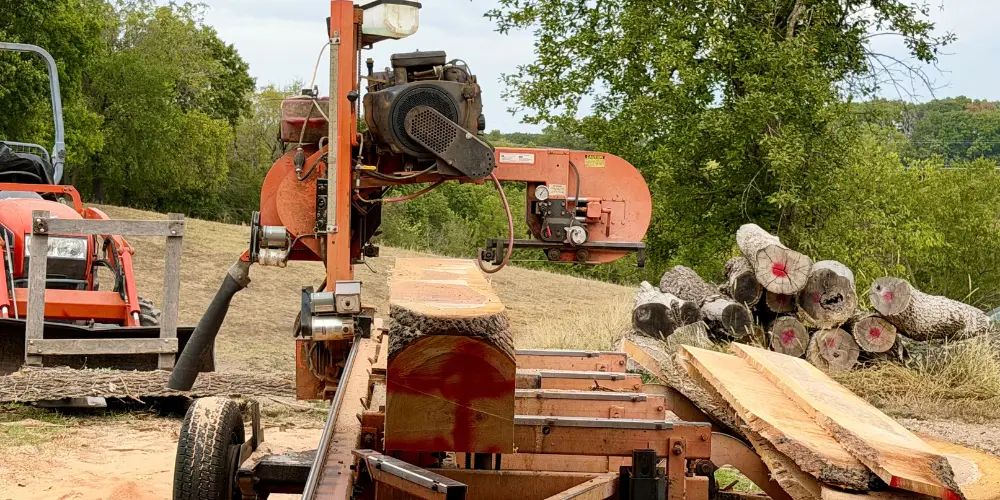
The tooth set controls the width of the cut (kerf) and helps the blade clear sawdust. If the set if uneven, too wide, or too narrow, it can affect cut quality. Properly setting the blade helps you get straighter, smoother boards.
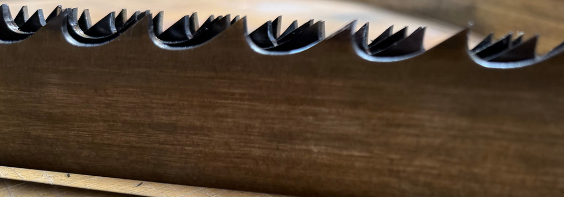

Support and Level Your Log for Better Lumber Quality
A well supported and properly leveled log is easier to cut and produces more consistent lumber. Use bunks, dogs, wedges, and whatever support your mill has to keep the log steady during the cut.
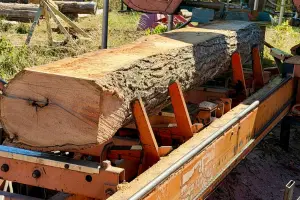

Make Your First Cut Count
A good opening face sets the stage for the rest of the cuts. Take time to get the first cut as straight and level as possible. It gives you a solid reference surface for the rest of the log.
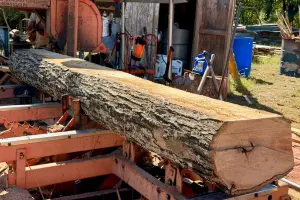

Monitor the Lumber As You Cut
Don’t wait until the log is finished to check your results. Look at the boards as you go. Check for thickness consistency, surface quality, and any signs of wandering so you can make adjustments early.
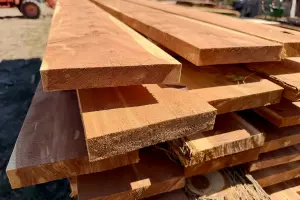

Change Blades Before Performance Falls Apart
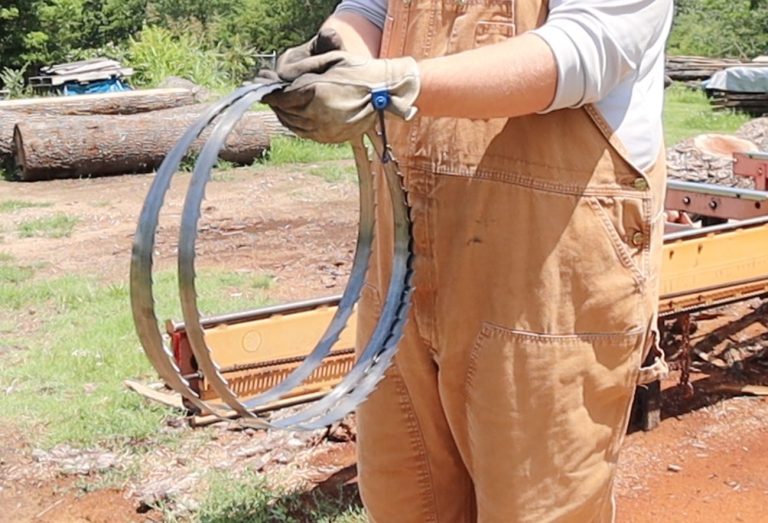
Running a blade until it barely cuts can lead to more heat, rough lumber, and extra wear on your mill. Change the blade or send it out for sharpening and setting before quality starts to suffer.
Better Lumber Starts With the Blade
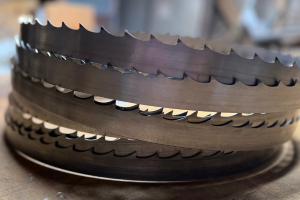
Your mill setup matters, but the blade is doing the actual cutting. A sharp, properly set sawmill blade can make a big difference in board thickness, surface quality, and how smoothly or mill runs.
Need Your Sawmill Blades Sharpened?
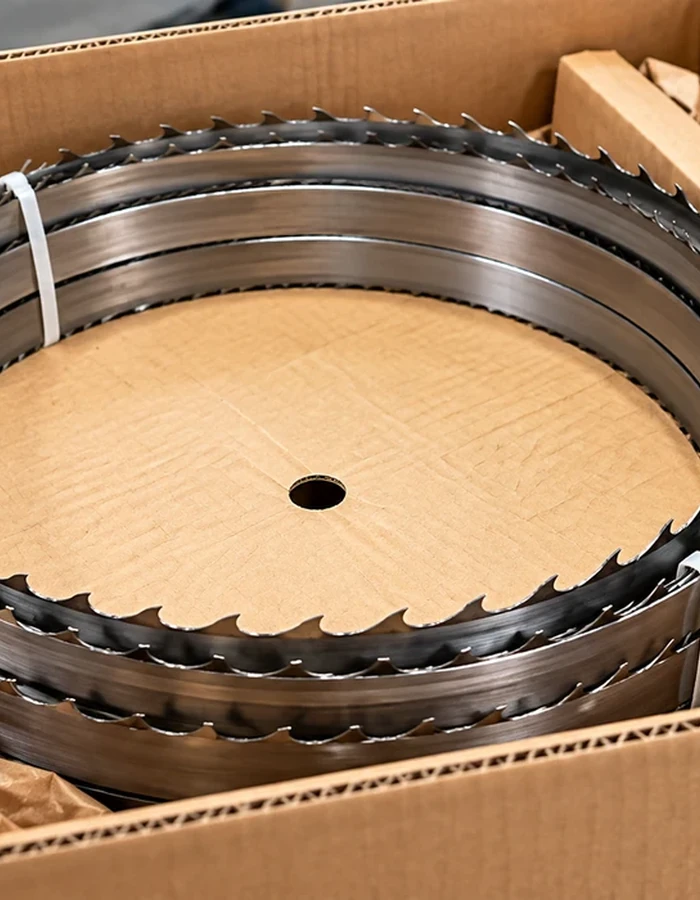
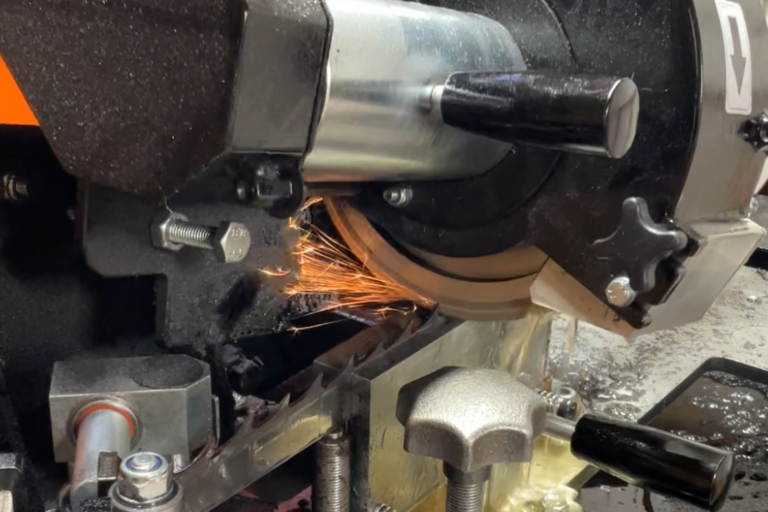
We provide professional sawmill blade sharpening and setting to help you get cleaner cuts, better performance, and more life from your blades.
View Blade Sharpening Service →